When considering excavation projects, many ask, "How much can a 1 ton mini excavator actually dig?" This question focuses on the machine's capabilities. Mini excavators are known for their versatility. They can maneuver in tight spaces, making them ideal for residential and small commercial projects.
The digging depth of a 1 ton mini excavator generally ranges from 5 to 7 feet. Its bucket capacity typically holds about 0.1 cubic yards. These specifications influence how much material can be moved effectively. Each project may demand different performance levels, so understanding these limits is vital.
While a mini excavator is efficient, it’s not without drawbacks. Limited weight can affect its stability on uneven ground. Operators must be cautious, ensuring safety and accuracy in all tasks. Evaluating these factors will help in maximizing the potential of a mini excavator for your specific needs.
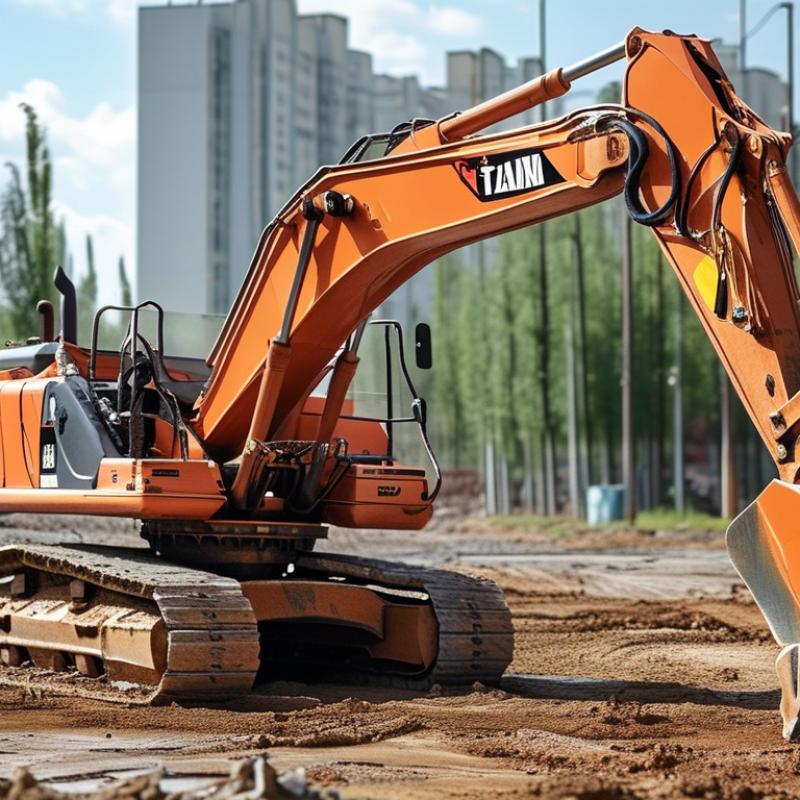
When assessing the digging capacity of a 1-ton mini excavator, several factors come into play. These machines are designed for light to moderate excavation tasks, making them ideal for residential projects or small construction sites. Typically, they can dig to a depth of about 6 feet, with a reach of roughly 10 feet. This range allows for efficient work in tight spaces. However, the actual performance can vary depending on soil conditions and machine maintenance.
Operators must understand that despite the mini excavator's capabilities, challenges remain. For instance, rocky or muddy terrain can hinder effective digging. Additionally, inadequate operational experience can lead to suboptimal performance. Regular maintenance is crucial to ensure optimal digging depth and speed. Dust control is another aspect that may not be initially seen as significant, yet it can affect visibility and efficiency. These areas require ongoing attention to maximize the excavator’s performance, highlighting the need for continuous learning.
When using a 1-ton mini excavator, digging efficiency hinges on several key factors. First, soil type plays a major role. Soft, loamy soil is easier to excavate than hard clay or rocky ground. Operators must assess the material beforehand. Proper attachment choice also impacts performance. A bucket designed for specific tasks enhances digging effectiveness.
Another important consideration is the operator's skill level. Experienced operators can navigate tight spaces and execute precise movements. Ineffective operation can lead to wasted time and energy. Additionally, machine maintenance affects performance. A well-maintained mini excavator performs better and digs deeper. Ignoring regular checks can result in mechanical failures.
Environmental conditions can also influence digging efficiency. Wet weather can make the ground muddy and challenging to work with. Conversely, dry soil can crack and become harder to dig. Choosing the right time for excavation can enhance overall productivity. Each of these elements plays a vital role in how effectively a mini excavator can operate.
Mini excavators, particularly the 1-ton models, have become essential in various excavation projects. Their compact size makes them ideal for urban environments where space is limited. According to industry reports, these excavators can dig trenches up to 6 feet deep and reach a radius of about 10 feet. This capability allows for effective utility installation, landscaping, and even small-scale demolition.
In landscaping projects, 1-ton mini excavators are frequently utilized for tasks such as digging holes for trees and shrubs. Their versatility enables operators to work efficiently in tight spaces. Reports show that using mini excavators can reduce excavation time by up to 30% compared to manual digging. Moreover, they can work on slopes and uneven terrains, enabling projects that traditional equipment cannot handle effectively.
Despite their advantages, operators must be cautious of limitations. Ground conditions can impact efficiency and safety. For instance, digging in overly soft soil can lead to instability. Additionally, loading and unloading these machines requires careful planning to avoid damage. As projects scale up, reliance solely on a 1-ton excavator may hinder progress, pointing to the need for a balanced approach in equipment selection.
When comparing mini excavators to larger excavation equipment, several factors emerge. Mini excavators, like the 1-ton models, hold distinct advantages. They excel in confined spaces, making them ideal for urban developments. Their smaller size allows them to maneuver easily around structures and in tight environments. Often, these machines are capable of impressive digging depth for their size.
However, larger excavators can handle tougher soil conditions and bigger jobs. They offer greater power and capacity for heavy-duty tasks. When the job demands extensive excavation or demolition, larger equipment shines. Yet, the cost and footprint of these machines can be an obstacle in urban settings. Mini excavators often emerge as the best choice for smaller projects.
There is a trade-off. Mini machines provide versatility, but their digging capacity may fall short for heavy workloads. Operators must evaluate the project requirements carefully. Sometimes, a combination of both types might be necessary. Understanding the specific needs of excavation can lead to better decision-making in equipment selection.
This chart compares the effective digging depth of a 1 Ton mini excavator against larger excavation equipment, demonstrating the versatility and limitations of smaller machines in various excavation scenarios.
Maintaining a 1 ton mini excavator is crucial for optimal digging performance. Regular inspections ensure all components work efficiently. For instance, checking hydraulic fluid levels can prevent power loss. Studies reveal that proper fluid management can improve digging capabilities by up to 18%.
Another key aspect is the condition of the bucket. A worn-out bucket can reduce penetration efficiency. According to industry reports, replacing a bucket that's over 30% worn can enhance digging depth and speed significantly. Besides, regular cleaning of the undercarriage keeps dirt from caking, which might hinder movement and performance.
Operators should also be aware of their techniques. Incorrect techniques can lead to unnecessary strain. Training on the proper use of controls and lever movements can reduce wear and tear. A study indicated that trained operators could enhance productivity by 30% compared to inexperienced ones. This highlights the importance of proper maintenance and skilled operation in maximizing the effectiveness of a mini excavator.
: A 1-ton mini excavator can typically dig up to 6 feet deep.
The reach of a 1-ton mini excavator is roughly 10 feet.
They are ideal for residential projects, landscaping, and utility installation.
Rocky or muddy soil can hinder effective digging and stability.
Maintenance ensures optimal performance, digging depth, and speed during operation.
Yes, their compact size makes them suitable for tight urban spaces.
They may not handle heavy workloads as effectively as larger equipment.
Dust can affect visibility and efficiency, highlighting the need for control measures.
Careful planning is essential to avoid damaging the machine.
No, a mix of both mini and larger equipment can be beneficial depending on the project.
In exploring "How much can a 1 ton mini excavator actually dig," it is essential to understand the digging capacity and the various factors that influence its efficiency. A 1 ton mini excavator is designed for light to moderate excavation tasks, often capable of handling depths of up to 5-8 feet, depending on the specific model and attachment used. Factors such as soil type, compactness, and the specific features of the excavator play significant roles in determining its actual digging performance.
Additionally, 1 ton mini excavators find utility in a wide range of applications, including residential landscaping, utility installation, and small site preparation tasks. A comparative analysis with larger equipment reveals that while mini excavators may have limited capacity, their agility and ease of operation make them ideal for confined spaces. To maximize digging performance, regular maintenance is crucial, ensuring optimal functionality and longevity of the machinery.

BTEra Excavator