How to Choose the Best Mini Excavator for DIY Projects?

Time:2026-04-01 Author:Oliver
0%

When tackling backyard DIY projects, selecting the right equipment is crucial. Mini excavators have become increasingly popular among homeowners for their versatility and efficiency. According to industry reports, the global mini excavator market is projected to grow by 4.2% from 2021 through 2027. This growth reflects the rising demand for compact equipment that can fit into tight spaces and enhance productivity.

Understanding how to choose the right mini excavator for backyard DIY is essential for ensuring project success. Factors such as size, operating weight, and functionality should all be considered. A lighter excavator may suffice for simple tasks like landscaping, while heavier models offer more power for excavation or grading.

When evaluating options, consider brands with a proven track record. Reliability affects project timelines and overall satisfaction. Inexperience with equipment can lead to misuse, resulting in project delays or damages. Take time to assess different models, read reviews, and consult with professionals. This diligence can save not only time but also money in the long run.
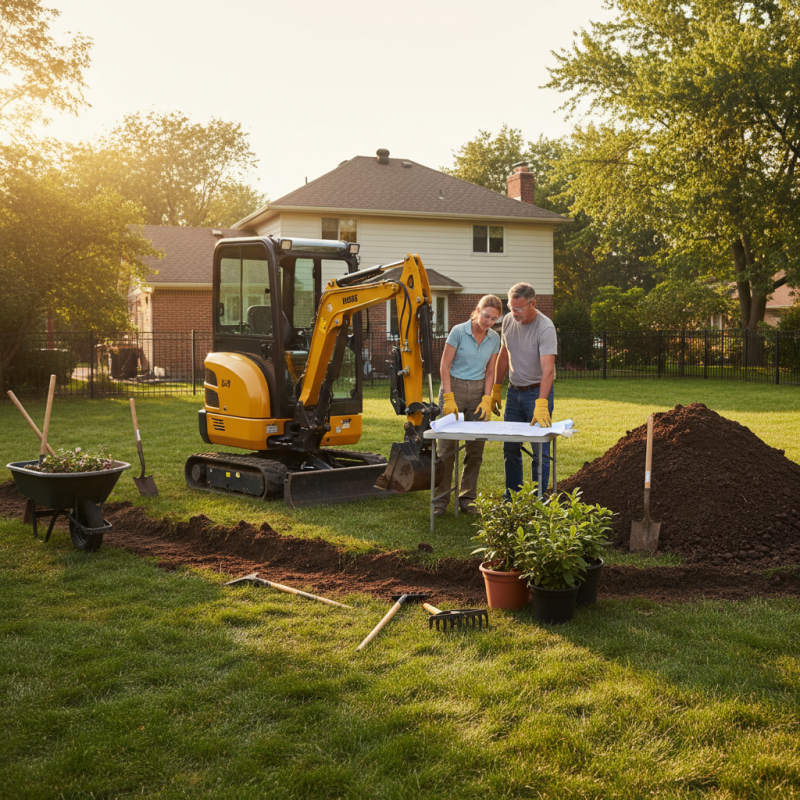
How to Choose the Best Mini Excavator for DIY Projects?

Understanding Your DIY Project Requirements for Mini Excavators

When considering a mini excavator for DIY projects, it's vital to understand your specific needs. Size, weight, and power are crucial factors. A compact model can be ideal for small yards. Research shows that mini excavators typically weigh between 1,500 to 10,000 pounds. Lighter machines are easier to maneuver but may lack power for heavier tasks. Assess the type of work you plan to do. Are you digging trenches or moving soil? Knowing the project scope influences your choice.

According to industry reports, around 70% of DIY enthusiasts opt for multi-purpose machines. These can handle various tasks efficiently. However, selecting an excavator that's too large can lead to problems. Maneuverability becomes an issue in tight spaces. Additionally, larger models require more fuel and maintenance. Reflecting on these aspects can guide you in making a more suitable choice. Also, consider rental options. This allows you to experiment with different models before committing to a purchase.

Evaluate the attachments available for each model. Different jobs may need specialized tools like buckets or grapples. Industry estimates suggest that using the right attachment can enhance productivity by over 30%. Address your project's requirements thoroughly. Every detail matters in ensuring your DIY efforts are successful and efficient. Remember, the right equipment should fit the job, not the other way around.

Mini Excavator Size Comparison for DIY Projects

Evaluating the Size and Weight Capacity of Mini Excavators

When choosing a mini excavator for DIY projects, size and weight capacity are crucial factors. Mini excavators range from compact models weighing around 1,500 pounds to larger units that can exceed 10,000 pounds. A lighter machine may be easier to maneuver in tight spaces, but it might lack the power for heavy-duty tasks. Assessing the specific needs of your project is essential.

The weight capacity directly affects how much material you can move. Most mini excavators can lift between 1,000 to 3,000 pounds. Heavy lifting requires a machine with higher weight capacity. However, you also need to consider ground conditions. Soft soil may require a larger footprint to prevent the machine from sinking. Reflecting on the terrain helps determine the ideal excavator size.

Additionally, weigh the balance between capability and maneuverability. A larger excavator offers greater power but is less agile. If your projects mostly involve small landscaping tasks, a compact model suffices. However, larger excavation projects necessitate a more robust machine. Understanding your specific requirements will help clarify your choice.

Comparing Engine Power and Fuel Efficiency in Mini Excavators

When selecting the best mini excavator for your DIY projects, engine power and fuel efficiency play crucial roles. A powerful engine allows for smoother operation, making tough tasks easier. Conversely, fuel efficiency can significantly impact your project budget over time. Choosing a machine with balance is key.

Consider your specific project requirements. More horsepower is beneficial for heavy-duty tasks, but it consumes more fuel. A machine with lower power might be sufficient for light digging or landscaping. Analyze the type of work you plan to do.

Tips: Look into dual-function engines. They provide adequate power and can be fuel-efficient. Regular maintenance helps maximize fuel economy. Remember that older models may not be as efficient. Sometimes, newer technology will offer a better balance between power and consumption. Always check reviews or seek professional advice to ensure reliability and performance.

Exploring Attachments and Accessories for Versatile Use

When choosing a mini excavator for DIY projects, the right attachments and accessories can enhance its versatility significantly. A 2022 industry report indicates that 70% of excavator users find attachments improve performance and broaden project scope. With options like buckets, augers, and thumb attachments, users can tackle a variety of tasks. Each attachment offers unique capabilities, making it essential to select the right ones based on specific needs.

Deciding on the best attachments can be challenging. While a standard bucket is suitable for digging, an auger may be necessary for post holes. A thumb attachment adds gripping capability, but this feature may require additional investment. According to experts, engaging with user forums and feedback can provide insights into effective combinations. However, not every attachment may be cost-effective for occasional tasks. Balancing these factors is crucial for maximizing your mini excavator’s functionality.

How to Choose the Best Mini Excavator for DIY Projects? - Exploring Attachments and Accessories for Versatile Use

Feature/Dimension Description Importance for DIY Projects
Operating Weight The total weight of the mini excavator, including attachments. Heavier models provide more stability and power but may be harder to transport.
Dig Depth The maximum depth the excavator can dig. Important for projects involving trenching or deep foundations.
Arm Length The length of the excavator's arm, affecting reach and maneuverability. A longer arm can extend reach for digging in hard-to-access areas.
Bucket Size The width and capacity of the excavator bucket. Larger buckets can move more material, speeding up projects.
Hydraulic Power Measure of the hydraulic system's force output. Higher power allows for more efficient operation of attachments.
Track Width The width of the tracks, influencing stability. Wider tracks enhance stability on uneven terrain.
Attachment Compatibility Supports a variety of attachments (buckets, augers, etc.). More attachments result in greater versatility for different tasks.
Ease of Transport How easily the excavator can be transported to different job sites. Portable models save time and costs associated with transportation.

Assessing Budget and Financing Options for Purchasing a Mini Excavator

When considering a mini excavator for DIY projects, budgeting is crucial. The initial purchase price is only part of the total cost. You must also factor in maintenance, fuel, and insurance. These ongoing expenses can quickly add up. Creating a realistic budget gives clarity on what you can afford.

Financing options play a significant role. Many options are available, from loans to rental agreements. Each has its advantages and disadvantages. Renting may lower upfront costs, but it usually results in higher long-term expenses. A purchase spreads costs over time, but it requires a larger initial investment. Assess your project needs carefully.

Reflecting on your financial situation is vital. How often will you use this equipment? If it’s a one-time project, renting may be more suitable. But if you plan multiple projects, purchasing might be better. Evaluate the potential costs and benefits thoroughly. Making an informed decision leads to better results and satisfaction in your DIY endeavors.

FAQS

: What should I consider when choosing a mini excavator for my DIY project?

: Assess your specific needs, including size, weight, and power required for the project.

How much do mini excavators typically weigh?

They usually range from 1,500 to 10,000 pounds. Lighter machines are easier to handle.

What problems can arise from choosing an oversized excavator?

Maneuverability can become difficult in tight spaces. Larger models also use more fuel.

Are rental options a good idea for mini excavators?

Yes, renting allows you to try different models before deciding to buy.

How can attachments impact the use of a mini excavator?

The right attachments can improve performance and efficiency significantly, boosting productivity by over 30%.

What types of attachments should I consider?

Options include buckets for digging, augers for post holes, and thumb attachments for gripping.

Why is it challenging to decide on attachments?

Each attachment has unique benefits, and occasional tasks might not justify their costs.

How can I gather insights on attachments?

Engaging with user forums and feedback can help you understand effective combinations.

What should I keep in mind about attachment investments?

Not every attachment will be worth the expense for infrequent use; balance is key.

Why is it important to evaluate project requirements thoroughly?

Every detail matters in ensuring your DIY project is both successful and efficient.

Conclusion

When considering how to choose the right mini excavator for backyard DIY projects, it is essential to start by understanding your specific project requirements. This includes the size and types of tasks you aim to accomplish, which will determine the appropriate size and weight capacity of the excavator. Evaluating engine power and fuel efficiency is also crucial, as it affects performance and operational costs over time.

Furthermore, exploring various attachments and accessories can enhance the versatility of the mini excavator, allowing you to tackle a wider range of tasks efficiently. Finally, assessing your budget and examining financing options will help ensure that this investment aligns with your financial capabilities while meeting your project needs. A well-informed decision will ensure that your backyard DIY projects are carried out successfully and with ease.

Oliver

Oliver

Oliver is a seasoned marketing professional with a wealth of expertise in driving brand awareness and engagement. With a deep understanding of our company's product offerings, he consistently delivers high-quality content that enriches our professional blog. His insights not only shed light on......