When considering heavy machinery for construction, the fuel efficiency of equipment is crucial. Specifically, many operators ask, "What is the fuel consumption of a small diesel excavator per hour?" Understanding this metric impacts operational costs and environmental considerations.
Small diesel excavators are popular for their versatility and power. Typically, their hourly fuel consumption can range between 1 to 3 gallons, depending on the model and workload. Factors like terrain and usage intensity significantly affect these numbers.
Evaluating the fuel consumption provides insights for budget planning. However, the figures can vary widely among manufacturers and models. Real-world performance might differ from specifications due to various operational conditions. Careful assessments can lead to better choices in machinery, balancing efficiency and cost-effectiveness.
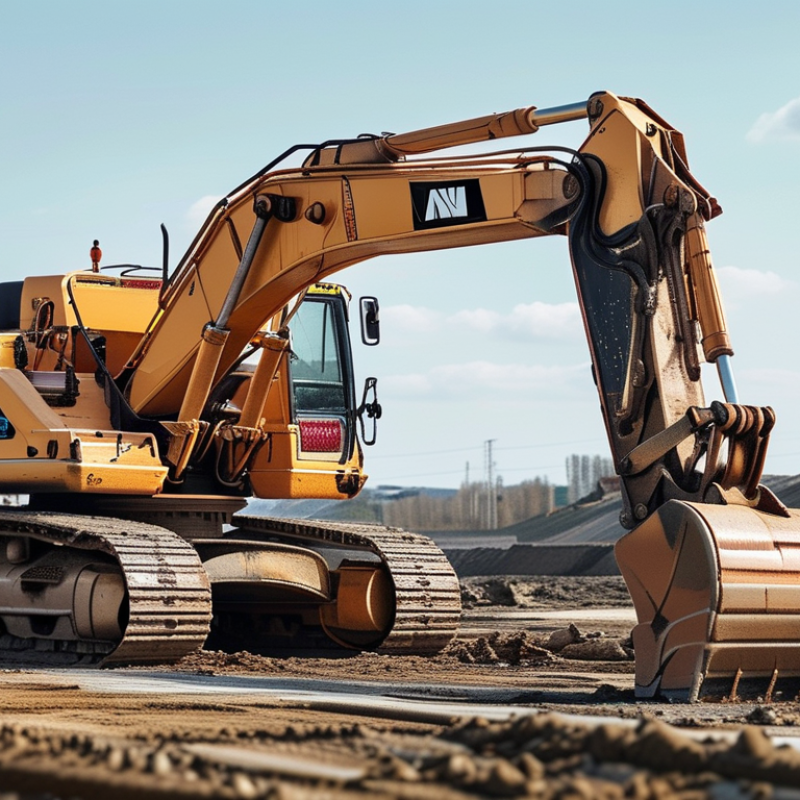
Small diesel excavators are essential tools for various construction projects. Their compact size allows them to work in tight spaces where larger machines might struggle. Despite their small stature, these excavators are powerful and efficient. They are designed to dig, lift, and move materials effectively. The operation of these machines can vary based on several factors.
Fuel consumption is influenced by the excavator's size, engine type, and work conditions. Typically, small diesel excavators consume around 2 to 4 gallons of fuel per hour. Operating on rough terrain will increase fuel usage. Additionally, the load being carried plays a role. A heavy load leads to higher fuel consumption than a lighter one.
Operators need to be mindful of their usage patterns. Poor operation techniques can lead to unnecessary fuel wastage. Lack of maintenance can also affect efficiency. Regular inspections and timely servicing are crucial for optimal performance. While these machines are reliable, understanding their fuel needs and maintenance requirements can enhance their longevity and effectiveness.
When considering the hourly fuel consumption of a small diesel excavator, several factors come into play. Weight is crucial; heavier excavators typically consume more fuel. For instance, a compact excavator weighing around 6 tons may average 3 to 5 liters of diesel per hour. This fuel usage can fluctuate based on how operators use the equipment.
Operational methods also impact fuel efficiency. Faster maneuvering and constant use of hydraulic functions drive up consumption. According to industry data, excavators working in demanding environments can consume nearly 20% more fuel than those used on flat, stable surfaces. Maintenance practices influence consumption as well. Well-maintained engines perform better and consume less fuel, while neglect can lead to inefficiencies.
Finally, the type of work being conducted affects fuel usage. Digging and moving earth requires more power than simply lifting or rotating. Reports indicate that workloads aligned with engine load will typically lead to increased fuel consumption. Each project can reveal different consumption patterns, highlighting the need for careful planning and consideration of all these variables.
When considering small diesel excavators, understanding fuel consumption is crucial for effective project planning. Typically, small excavators consume between 1 to 2.5 gallons of diesel fuel per hour, depending on their size and working conditions. A study from the Association of Equipment Manufacturers (AEM) indicates that average fuel consumption can vary based on load, terrain, and operator efficiency. For instance, lighter tasks may result in lower fuel consumption, while heavy-duty digging significantly increases usage.
The compact excavator market shows that many machines, weighing around 2,000 to 4,500 pounds, average fuel consumption rates of about 1.5 gallons per hour under standard conditions. Operators must consider that excavator performance can fluctuate with environmental factors. In colder climates, machines might use more fuel to maintain optimal working conditions.
Tips: Regular maintenance is essential to enhance fuel efficiency. Keep the hydraulic system in excellent condition and check filters frequently. Operators should also consider the impact of their driving style on fuel consumption—smooth, controlled actions can lead to substantial savings over time. A reflective approach to fuel usage will help in reducing costs and minimizing environmental impact.
The increasing focus on sustainability is changing the excavator market. Diesel remains prevalent, but alternative fuels are gaining traction. Small diesel excavators typically consume about 1 to 2 gallons of fuel per hour, depending on size and workload. This fuel efficiency can be a double-edged sword. While diesel engines are powerful, they emit greenhouse gases and pollutants.
In contrast, alternative fuel excavators, including electric and hydrogen models, offer an eco-friendly option. Reports indicate that electric excavators can reduce operational costs by up to 30%. They produce zero emissions during operation, a significant benefit for urban sites. However, their range and charging time can be limitations in certain scenarios. Some users report concerns about battery performance over extended work periods.
The transition from diesel to alternative fuels presents challenges. Infrastructure for alternative fuels is still developing. Users may hesitate due to perceived reliability issues. The industry needs more rigorous studies on performance and longevity before widespread adoption. Understanding these dynamics is crucial for informed choices. The future of excavators hinges on balancing efficiency and environmental impact.
| Excavator Type | Fuel Type | Hourly Fuel Consumption (liters/hour) | Power Output (kW) | Operational Efficiency (%) |
|---|---|---|---|---|
| Small Diesel Excavator | Diesel | 4.5 | 50 | 80 |
| Small Electric Excavator | Electric | 0.0 | 45 | 90 |
| Hybrid Excavator | Hybrid | 3.0 | 48 | 85 |
| Small Bio-Diesel Excavator | Bio-Diesel | 4.0 | 50 | 78 |
Optimizing fuel efficiency in small diesel excavators is essential for reducing operational costs. Many operators overlook basic maintenance, which can significantly impact fuel consumption. Regularly checking air filters and fuel filters is crucial. Clogged filters restrict airflow, leading to inefficient combustion. This simple task can enhance overall fuel efficiency.
In addition to maintenance, operator training plays a vital role. Skilled operators can maximize efficiency by adjusting their driving habits. For example, avoiding rapid starts and stops can lead to substantial fuel savings. Moreover, understanding the machine's load and adjusting performance accordingly can help manage fuel usage effectively. Operators should also be aware of the excavator's working conditions. Soft or uneven terrain may require extra effort, increasing fuel consumption.
Considering fuel-efficient attachments can improve overall performance. Specialized buckets or tools reduce strain on the engine. These can optimize how the excavator handles various tasks. Even small adjustments can lead to significant benefits. However, not every attachment is suitable for all jobs. Operators must evaluate their specific needs before making changes. Balancing efficiency and performance is a continuous challenge. Consistent monitoring and adjustments can help achieve better results over time.
: Weight, operational methods, maintenance, and type of work all affect fuel consumption significantly.
A compact excavator weighing around 6 tons may average 3 to 5 liters of diesel fuel per hour.
Faster movements and constant use of hydraulics can increase fuel consumption significantly.
Regular maintenance of the engine and hydraulic systems leads to better performance and less fuel usage.
Colder climates can cause excavators to use more fuel for maintaining optimal operating conditions.
Diesel excavators are powerful but emit greenhouse gases. Alternative fuels reduce emissions, but may have reliability concerns.
Electric excavators can face range and charging time struggles, particularly for long work hours.
Small excavators usually consume between 1 to 2.5 gallons of diesel fuel per hour based on various factors.
Smooth, controlled driving actions can lead to significant savings in fuel over time, while erratic driving increases usage.
Each project may reveal different consumption patterns, highlighting the need for careful planning and consideration of variables.
What is the fuel consumption of a small diesel excavator per hour is a question that many operators and project managers seek to answer for efficient project planning and budgeting. The hourly fuel consumption can vary based on several factors, including the size of the excavator, type of work being performed, and terrain conditions. Typical fuel consumption rates for small diesel excavators range from 1 to 3 gallons per hour, but this can fluctuate significantly based on usage patterns.
Moreover, comparing diesel excavators with alternative fuel options reveals differences in performance and cost-effectiveness. To maximize fuel efficiency, operators can employ methods like regular maintenance, adjusting machine settings based on workload, and optimizing operational techniques. Understanding these aspects can help users select the right equipment and manage fuel consumption more effectively.

BTEra Excavator