When considering "What size trailer do I need for a 3 ton mini excavator?" it's essential to evaluate several factors. Mini excavators are popular for their versatility. However, transporting one requires careful planning. A 3-ton mini excavator typically measures around 10-12 feet in length. This size affects your trailer choice.
A standard car trailer may not suffice. A dedicated equipment trailer is often necessary to handle the weight and dimensions. Beyond weight, consider the trailer's capacity. It must accommodate additional gear and ensure safe transit. A professional-grade trailer offers better stability and protection.
Choosing the right trailer also depends on local regulations. Overlooking legal requirements can lead to fines. Reflect on your towing vehicle's capacity too. If it's underpowered, you might face challenges on the road. Your decision should blend all these aspects for safety and efficiency when transporting your heavy machinery.
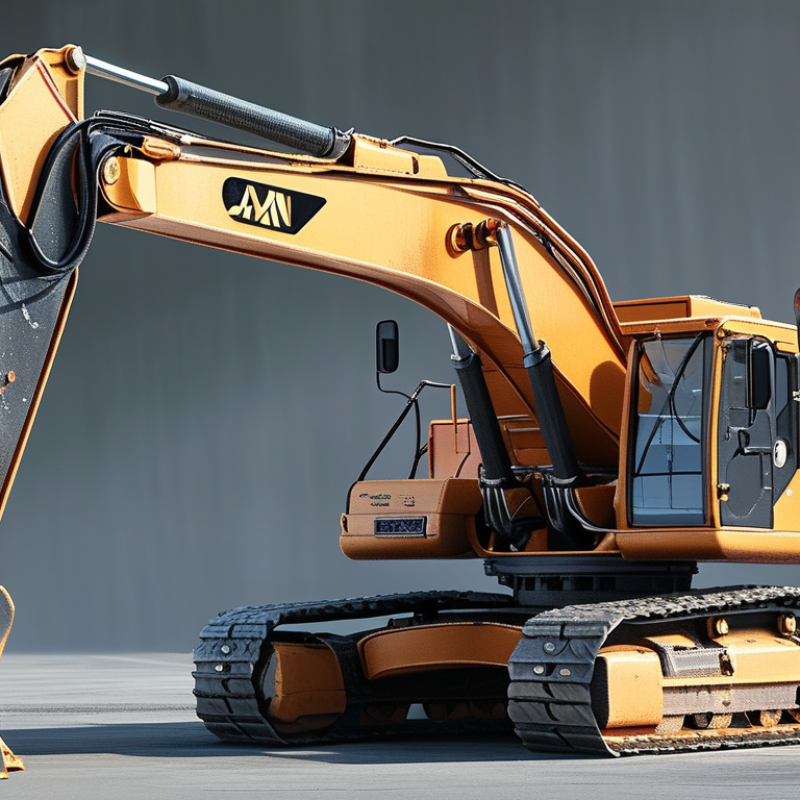
Choosing the Right Trailer Size for a 3 Ton Mini Excavator
When selecting a trailer for a 3-ton mini excavator, it's critical to consider the weight limits and dimensions. A mini excavator typically weighs between 5,000 to 7,000 pounds. Therefore, a trailer needs to support at least a 7,500-pound load capacity. Industry reports indicate that many users overlook the weight of additional equipment or materials that may also be transported. This often leads to choosing a trailer that cannot handle the total weight safely.
A car hauler or a flatbed trailer is often recommended. For a 3-ton mini excavator, a 7,000 to 10,000-pound capacity trailer is advisable. The standard dimensions vary, but ensuring the trailer is at least 14 feet long will provide adequate space. Trailers that are too short can result in overhang, which can be a safety hazard on the road.
Moreover, the load distribution is just as crucial. Incorrect weight distribution can lead to trailer sway or even accidents. Therefore, it’s essential to have a proper loading technique. Double-checking the manufacturer's specifications for hitch weight and trailer load ratings will provide additional assurance. The choice of the right trailer size may seem straightforward, yet it entails various considerations that are easily overlooked.
Key Factors to Consider When Transporting Mini Excavators
When transporting a 3-ton mini excavator, selecting the right trailer is crucial. The weight and dimensions of your mini excavator should guide your choice. A standard flatbed trailer often works well, but ensure it has a load capacity exceeding 6,000 pounds. This capacity provides a safety margin to account for additional equipment or materials.
Proper weight distribution is key when loading the excavator. According to industry reports, maintaining a center of gravity close to the axle can prevent trailer sway during transit. Uneven loading can lead to accidents, even for experienced operators. It's advisable to check weight limits regularly, as exceeding capacities can void warranties and risk damage.
Consider the height and width of your excavator as well. Many states have restrictions on trailer dimensions. If your mini excavator exceeds standard height and width limits, obtaining a transport permit may be necessary. Failure to comply can result in fines or delays. Pay attention to these details, as neglect can lead to operational setbacks.
Understanding Trailer Weight Ratings and Load Capacities
When choosing the right trailer for a 3-ton mini excavator, understanding weight ratings is crucial. A standard flatbed trailer typically has a Gross Vehicle Weight Rating (GVWR) of around 7,000 to 12,000 pounds. The weight of the excavator itself, usually around 6,000 to 8,000 pounds, means you need a trailer that comfortably supports this load while adhering to safety guidelines.
Load capacities vary by model and material. For example, steel trailers generally offer higher supports compared to aluminum. Ensure that the trailer's payload capacity exceeds the combined weight of your equipment and any additional tools. According to the National Association of Trailer Manufacturers, a margin of around 10% above the total weight is recommended to enhance safety during transport.
When loading your excavator, position it towards the trailer’s axles to distribute weight evenly. This mitigates the risk of swaying while driving. Regular inspections of your trailer’s tires, brakes, and lights are essential for safety. Investing in high-quality tie-downs will secure your equipment during transit, preventing accidents and damage. Remember, an educated choice in trailer size reflects not only safety but also efficiency on the job site.
Recommended Trailer Types for 3 Ton Mini Excavators
When transporting a 3-ton mini excavator, choosing the right trailer type is crucial. A suitable trailer should have a weight capacity that surpasses 3 tons. Many individuals overlook this detail, leading to potential safety hazards. For a mini excavator, a flatbed trailer or a lowboy trailer are often recommended. These types provide ample space and stability during transit.
Flatbed trailers often feature ramps that simplify loading and unloading. The open design allows for easy access and visibility. However, it’s important to ensure that the excavator is secured correctly to avoid shifting during transport. A lowboy trailer sits closer to the ground, making it easier for heavy machinery to load. This can be advantageous for transporting items with greater height.
Consider the total weight of the excavator with additional attachments. This total will dictate the trailer’s required capacity. Many people underestimate this weight, which could lead to an overload situation. Always check the weight ratings of your trailer to ensure compliance and safety on the road. Proper planning and equipment selection can mitigate risks and enhance efficiency during transportation.
Recommended Trailer Capacity for a 3 Ton Mini Excavator
Safety Considerations for Transporting Heavy Equipment on Trailers
Transporting a 3-ton mini excavator requires careful planning. Safety is paramount when hauling heavy equipment. Understanding weight distribution and trailer size ensures secure transport. A trailer must be rated for the excavator's weight, plus additional cargo. Overloading can lead to accidents, causing severe injuries or damage.
Check the trailer's brakes and lights before loading. These features are essential for safe travel. Proper securing of the excavator is crucial. Use chains or straps to fasten it effectively. An improperly secured machine can shift during transit, affecting stability. It’s wise to inspect the setup before every trip.
Don’t overlook driving habits either. Sudden stops or sharp turns can destabilize the load. It’s a good idea to practice maneuvering with a light load first. Reflection on these aspects can improve safety. Awareness of the surroundings and adherence to speed limits contribute significantly to safety. Transporting heavy equipment safely requires constant vigilance and knowledge.
Trailer Size and Specifications for Transporting a 3 Ton Mini Excavator
| Dimension |
Specification |
| Trailer Length |
16-20 feet |
| Trailer Width |
6-8 feet |
| Weight Capacity |
Around 7,000-10,000 lbs |
| Axles |
2 axles recommended |
| Ramp Type |
Bi-fold or equip with detachable ramps |
| Trailer Type |
Tilt deck or flatbed |
| Brake System |
Electric brakes recommended |
| Tie-Down Points |
Adequate tie-down points for stabilization |
Conclusion
When determining "what size trailer do I need for a 3 ton mini excavator," several key factors should be considered. First, it's essential to choose a trailer that matches the weight and size specifications of the excavator, taking into account the overall load capacity and weight ratings of the trailer. Trailers typically recommended for transporting a 3 ton mini excavator include equipment or flatbed trailers with adequate space and structural support.
Additionally, safety considerations are paramount when transporting heavy equipment. Ensuring that the trailer is properly secured, that the weight is evenly distributed, and that all safety regulations are followed can help prevent accidents during transport. By understanding these critical aspects, operators can effectively select a suitable trailer that ensures both safety and compliance when moving a mini excavator.

 BTEra Excavator