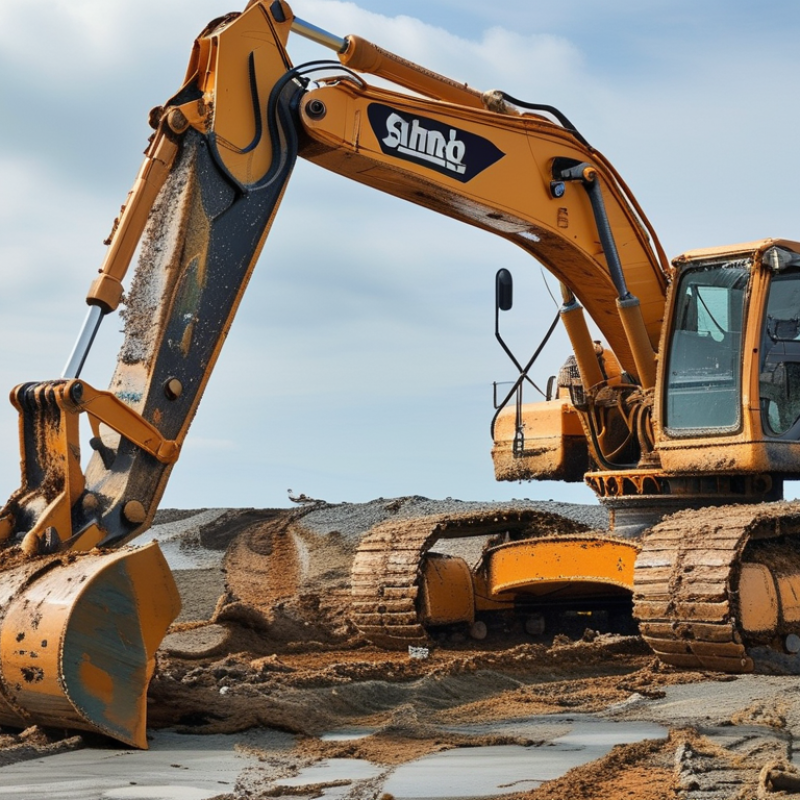
China Best Mini Excavator Tracks Why Do Tracks Come Off?

Time:2026-09-13 Author:Ethan
0%

Mini excavator tracks should stay aligned during digging, lifting, and traveling. Yet many operators eventually ask, “Why are the tracks on my mini excavator coming off?” This problem usually reflects several small issues, not one dramatic failure. Loose track tension, worn sprocket teeth, damaged rollers, and packed soil can all reduce track stability. Mud, gravel, and broken concrete may collect around the undercarriage. Even a short turn on a steep slope can increase the risk.

A reliable diagnosis begins with a careful inspection. Park the machine on firm, level ground and follow the manufacturer’s safety instructions. Check the track sag against the service manual, rather than guessing by eye. Examine the idler, rollers, sprocket, and track links for uneven wear or missing parts. Look for hydraulic tensioner leaks as well. A track that repeatedly comes off may have a bent frame or poor alignment. Replacing the track alone may not solve the cause.

Small details matter.

Experienced technicians also inspect operating habits. Sharp counter-rotations, side loading, and fast travel over rough ground can stress the undercarriage. These actions may feel normal, especially in narrow work areas. They still shorten component life. Sometimes the first repair is not perfect, and that deserves honest review. Was the tension measured correctly? Were worn rollers ignored? Was the replacement track matched to the machine model? For dependable China mini excavator tracks, correct sizing, installation, and regular cleaning support safer, longer service. This guide explains common causes and practical checks before expensive damage develops.

China Best Mini Excavator Tracks Why Do Tracks Come Off?

Mini Excavator Track Components and Their Operating Roles

China Best Mini Excavator Tracks: Why Do Tracks Come Off?

A mini excavator track is a working system, not just a rubber loop. The track chain carries the machine’s weight across soil, gravel, and uneven ground. Track shoes provide traction, while rollers support the lower frame and guide movement. The front idler maintains alignment, and the drive sprocket transfers power from the final drive. A tension cylinder and grease system adjust track tightness. Each component has a specific role, but their condition must work together.

Tracks usually come off when tension is too loose, especially during sharp turns or side-slope work. Packed mud, stones, or broken bushings can also force the track away from the rollers. Excessive tension creates another problem. It accelerates wear on rollers, sprocket teeth, and track links. A practical inspection should check sag, missing hardware, uneven wear, and grease leakage. Small faults matter. I have seen operators blame the track when a worn idler was the real cause. Still, inspections are sometimes rushed.

Tips: Clean the undercarriage before checking tension. Measure sag according to the machine’s service guidance. Avoid continuous counter-rotation on hard ground. If a track repeatedly comes off, stop operating and inspect the idler, rollers, sprocket, and tension cylinder. Guessing may save minutes, but it can damage several components.

Common Causes of Mini Excavator Tracks Coming Off

China Best Mini Excavator Tracks: Why Do Tracks Come Off?

Common Causes of Mini Excavator Tracks Coming Off

Mini excavator tracks usually come off because tension, alignment, or undercarriage wear is ignored. Loose tracks can climb over the idler during sharp turns. Excessive tension creates heat and accelerates roller wear. Mud, stones, and packed soil can also force the track outward. The 2024 EquipmentWatch Rental Rate Blue Book treats tracks, rollers, idlers, and sprockets as separate undercarriage cost items. This reflects a practical fact: one worn component can disturb the whole running system.

Operators should inspect the track before each shift. Check for missing bolts, damaged guide lugs, uneven tread wear, and oil leakage near the adjuster. A bent idler frame may look minor, but it can repeatedly derail the track. The excavator should not work on steep side slopes for long periods. Side loading is easy to underestimate. Manufacturers commonly specify track sag measurements in service manuals, and those measurements are more reliable than visual judgment alone.

Tips: Remove stones before tightening the track. Measure sag on level ground. Keep the undercarriage clean. Avoid fast counter-rotation. Replace badly worn sprockets with the track, when inspection confirms poor engagement. The 2023 Construction Equipment Maintenance Survey from AEMP emphasizes planned inspections as a key control for equipment downtime. Still, inspection is not magic. A rushed check can miss internal bushing wear, and that is where better judgment is needed.

How Undercarriage Wear Increases Track Derailment Risk

China Best Mini Excavator Tracks: Why Do Tracks Come Off?

How Undercarriage Wear Increases Track Derailment Risk

Track derailment rarely begins with one dramatic failure. It often starts with worn rollers, loose idlers, or a stretched track chain. As these parts wear, the track loses its intended alignment. During a tight turn, the track can climb the sprocket or slide beyond the idler flange. Then it comes off.

A 2024 compact-equipment lifecycle-cost benchmark estimated undercarriage repairs at roughly 20–30% of total maintenance spending. The report also linked poor tension control with faster component wear. Field maintenance guidance commonly recommends checking track sag daily, especially after working on slopes or demolition surfaces. Too tight is harmful. Too loose is risky.

Mud can hide the problem.

Operators should inspect sprocket teeth, roller flanges, idler faces, and track shoe bolts. Uneven polishing often reveals side loading before derailment occurs. Measuring wear is better than trusting appearance alone. However, even a careful inspection can miss internal bushing wear. That is where routine measurement becomes valuable.

A practical mistake is adjusting tension only after the track comes off. Tension should follow the excavator’s service specification, not personal judgment. Work habits matter too. Repeated counter-rotation, sharp turns, and packed soil increase derailment pressure. The 2023 Earthmoving Equipment Maintenance Review identified operator technique as a major variable in track-life differences, although its results were not universal across machines.

Step-by-Step Inspection and Track Reinstallation Process

China Best Mini Excavator Tracks: Why Do Tracks Come Off?

A mini excavator track can come off because of loose tension, packed soil, worn rollers, or sudden side loading. Park the machine on firm, level ground and lower the attachment for stability. Shut down the engine, remove the key, and release hydraulic pressure carefully. Never place hands near a suspended track or moving sprocket.

Inspect the track frame, rollers, idler, sprocket, and track links. Look for cracked guides, missing bolts, sharp wear, and stones trapped between components. Measure the track sag according to the machine’s service instructions. If the idler moves unevenly, stop the repair and seek qualified service. A clean inspection often reveals more than force does. To reinstall the track, place the track around the sprocket and lay it over the rollers. Keep the bottom section supported with a suitable lifting tool. Slowly move the idler into position, then guide the track onto the front idler. Rotate the sprocket gently while checking alignment. Do not use excessive hydraulic pressure. It may damage seals or bend a component.

Tips: Clean mud before inspection. Mark unusual wear with chalk. Keep bystanders away. Check tension again after a short, slow test. I once found a small stone causing repeated derailment, so do not blame tension too quickly. If the track slips again, the underlying alignment problem remains.

China Best Mini Excavator Tracks Why Do Tracks Come Off? - Step-by-Step Inspection and Track Reinstallation Process

Step / Area Common Finding Inspection Method Corrective Action Safety or Service Note
1. Stop and secure the excavator The track has partially or completely left the sprocket, idler, or lower rollers. Park on firm, level ground. Lower the boom, arm, and bucket to the ground, stop the engine, remove the key, and release stored hydraulic pressure according to the operator’s manual. Keep unauthorized personnel away and prevent the machine from moving during inspection. Never place any part of the body under a raised machine or unsupported attachment.
2. Check track tension A loose track can climb over the sprocket or idler, especially during turning or side-slope work. Measure the specified track sag at the location and reference points stated in the excavator service manual. Do not use a universal sag value because correct tension varies by model and undercarriage design. Adjust the grease-filled track adjuster only within the manufacturer’s specified range. Track-adjuster grease is under high pressure. Loosen the relief valve slowly and never loosen the grease fitting to release pressure.
3. Inspect the track adjuster The idler is too far rearward, the adjuster does not hold pressure, or grease is leaking. Look for grease around the relief valve, piston seal, cylinder, and front idler. Check whether the idler position changes after adjustment. Repair leaking seals, damaged fittings, or a faulty adjuster before returning the excavator to service. Do not operate the excavator with an adjuster that cannot maintain the specified tension.
4. Examine the front idler The idler is tilted, seized, worn, or displaced from the track frame. Inspect the idler flange, tread, bearings, guide surfaces, and mounting area. Check for cracks, abnormal wear, packed material, and oil leakage. Remove packed debris, correct alignment problems, or replace damaged idler components as required. A damaged or misaligned idler can cause repeated derailing even when track tension is correct.
5. Inspect the drive sprocket Sprocket teeth are hooked, sharp, broken, or worn unevenly. Inspect the tooth profile and compare wear across the full sprocket. Check whether the track links seat evenly between the teeth. Replace a worn or damaged sprocket and inspect the track chain for matching wear. A new sprocket may wear rapidly if it is installed with a severely worn track chain.
6. Check lower rollers and track frame A seized roller, damaged flange, bent frame, or heavy material buildup forces the track sideways. Rotate rollers where practical, inspect for oil leakage and rough movement, and examine roller flanges and track-frame guides. Replace seized or damaged rollers and remove compacted soil, stones, and construction debris. Do not use hands to remove material from between moving undercarriage components.
7. Inspect track links, pins, and bushings Links are cracked or bent, pins are displaced, or bushings show abnormal wear. Check every visible link for cracks, missing hardware, excessive side wear, and uneven contact with the sprocket. Replace damaged components and obtain a complete chain inspection when wear is excessive or uneven. Do not reinstall a track chain with a visibly cracked link or loose pin.
8. Position the excavator for reinstallation The track is on the ground beside the undercarriage and the front idler is retracted as far as specified. Use the boom and bucket, or approved lifting equipment, to raise and support the side of the machine as described in the service manual. Create enough clearance for the track without placing personnel beneath an unsupported load. Use rated blocking or stands. Hydraulic cylinders alone are not a reliable substitute for mechanical support.
9. Refit the track over the sprocket The track chain is aligned with the sprocket teeth but is not yet seated on the idler. Place the track chain around the sprocket first. Confirm that the drive lugs and link openings align with the sprocket teeth. Use slow, controlled hydraulic movement to rotate the sprocket and guide the chain onto the lower rollers. Keep hands, feet, tools, and clothing away from pinch points. A trained operator should control the machine.
10. Seat the track on the front idler The remaining section of track is outside the idler or the chain is twisted. Align the track evenly along both sides of the idler and confirm that each link is seated in the correct running path. Use controlled movement or an approved pry method specified by the service procedure to guide the final section into place. Do not force the track with uncontrolled acceleration or strike pressurized components.
11. Restore and set track tension The track is installed but may be too loose or too tight. Pump the specified grease into the track adjuster and measure sag using the exact procedure and reference points in the operator’s or service manual. Set tension to the model-specific specification, then clean excess grease from the adjuster area. Over-tightening increases undercarriage load and accelerates wear; under-tightening increases the risk of derailment.
12. Perform a final operational check The track appears seated but may still be misaligned or may derail again during movement. Operate the track slowly in forward and reverse on level, firm ground. Recheck alignment, abnormal noise, tension, and leakage. Stop immediately if the track walks sideways, skips, binds, or produces unusual noise. Correct the underlying fault before further work. Avoid side slopes, sharp counter-rotations, and deep mud until the undercarriage has passed the final inspection.

Typical Reasons a Mini Excavator Track Comes Off

Cause How It Contributes to Derailment Prevention
Incorrectly adjusted track tension Excessive slack allows the chain to climb out of the normal running path. Check and adjust tension according to the excavator’s model-specific service specification.
Packed mud, stones, or debris Material between the track, rollers, idler, and frame can push the chain sideways. Clean the undercarriage regularly, especially after working in sticky soil or demolition debris.
Worn sprocket, idler, or rollers Uneven or reduced guidance allows the track to move laterally. Inspect wear components during routine maintenance and replace parts before severe wear develops.
Operating across steep side slopes Side loading shifts the track against the flanges and can cause it to climb out. Travel straight where possible and follow the machine’s slope and operating limitations.
Sharp counter-rotation or abrupt turning Opposite track speeds create high lateral forces, particularly on loose or uneven ground. Make gradual turns and avoid aggressive counter-rotation when the track is under heavy side load.
Bent, cracked, or misaligned components The track cannot remain centered when the undercarriage geometry is damaged. Stop operation after impact damage and obtain a complete undercarriage inspection.

Important: Track sag, lifting points, hydraulic procedures, torque values, and reinstallation methods differ by excavator model. Always follow the applicable operator’s manual and service manual, and use qualified service personnel for pressurized, structural, or undercarriage repairs.

Preventive Maintenance for Secure and Long-Lasting Tracks

China Best Mini Excavator Tracks Why Do Tracks Come Off?

Preventive Maintenance for Secure and Long-Lasting Tracks

Tracks usually come off because tension is incorrect, debris blocks the undercarriage, or components become worn. In field inspections, I often find packed clay behind the front idler. It quietly pushes the track out of alignment. A track that looks tight may still need adjustment. Check tension on level ground, after cleaning, and according to the machine’s service guidance. Too much tension increases heat and wear. Too little tension allows the track to derail during turning.

Clean the undercarriage after muddy work. Remove stones, wire, and hardened soil from rollers and sprockets. Inspect the track surface for cuts, exposed cords, missing lugs, or uneven wear. Examine the idler, rollers, and sprocket teeth for looseness. Small movement matters. Grease pivot points where specified, but do not assume grease fixes damaged parts. During operation, avoid sharp counter-rotations on slopes and reduce side loads when possible. Smooth turns protect the track path.

Keep a simple maintenance record with dates, tension checks, and replaced parts. It helps reveal gradual wear before failure. No checklist catches everything. I have missed hidden debris after a rushed inspection, and that mistake changed my routine. Recheck the track after the first hours of work following adjustment. Watch for repeated derailment, unusual vibration, or a track that walks sideways. These signs may indicate misalignment deeper in the undercarriage, not just loose tension.

FAQS

Why do mini excavator tracks come off?

Incorrect tension, worn undercarriage parts, poor alignment, and trapped debris are common causes. Sharp turns make loose tracks climb over the idler.

How does track tension affect derailment risk?

A loose track may derail during turning. An overly tight track creates heat and accelerates roller and bushing wear. Follow the service specification.

What should operators inspect before each shift?

Check track sag, missing bolts, damaged guide lugs, uneven tread wear, and oil near the adjuster. Look closely.

Can mud and stones push a track off?

Yes. Packed clay behind the front idler can push the track outward. Stones near rollers or sprockets can also disturb alignment.

How does undercarriage wear cause track problems?

Worn rollers, loose idlers, stretched chains, and damaged sprocket teeth reduce alignment. During a tight turn, the track may climb or slide outward.

What operating habits increase derailment risk?

Fast counter-rotation, sharp turns, steep side slopes, and heavy side loading increase pressure on the track path. Smooth turns help.

How should operators adjust track tension safely?

Clean the undercarriage first. Measure sag on level ground, then compare it with the machine’s service guidance.

What signs suggest deeper alignment problems?

Repeated derailment, sideways track movement, unusual vibration, and uneven polishing may indicate hidden undercarriage wear. Tension adjustment may not solve it.

How can regular maintenance extend track life?

Remove mud, stones, wire, and hardened soil after difficult work. Inspect rollers, idlers, sprockets, and track shoes regularly.

Can a checklist prevent every track failure?

No. A rushed inspection can miss internal bushing wear or hidden debris. Recheck the track after several hours of operation.

Conclusion

This guide explains the main components of a mini excavator track system, including the track chain, sprocket, idler, rollers, and tensioning mechanism, and describes how each part supports smooth and stable operation. It answers the question, “Why are the tracks on my mini excavator coming off?” by examining common causes such as incorrect track tension, loose or damaged components, uneven ground, heavy side loading, debris buildup, and improper operating habits.

The article also shows how worn rollers, idlers, sprockets, and track links can increase the risk of derailment. It provides a practical inspection and reinstallation process, including safe machine positioning, checking for damage, removing trapped debris, adjusting tension, and confirming proper alignment before operation. Finally, it presents preventive maintenance recommendations, such as regular cleaning, tension checks, undercarriage inspections, gradual turning, and avoiding unnecessary work on extreme slopes. These steps help keep tracks secure, reduce downtime, and extend the service life of the entire undercarriage.

Ethan

Ethan

Ethan is a seasoned marketing professional with a deep expertise in our company's innovative product line. With a passion for sharing knowledge and insights, he takes the lead in regularly updating our corporate blog, where he explores industry trends, product features, and effective marketing......