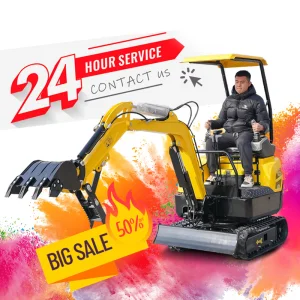
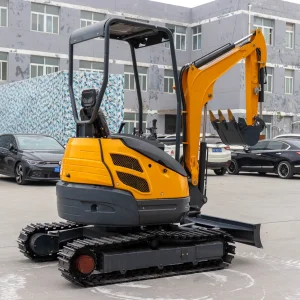
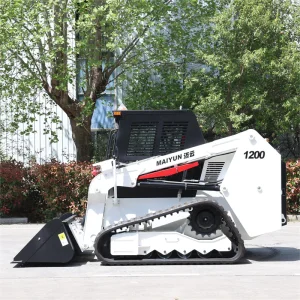
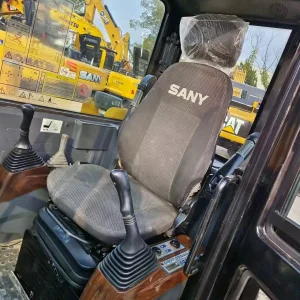
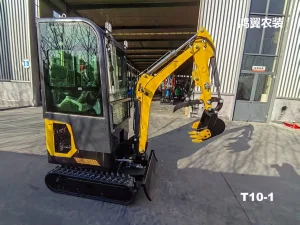
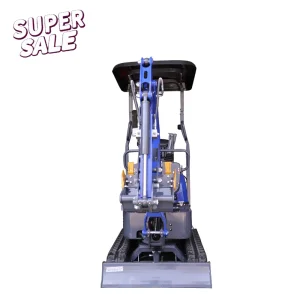
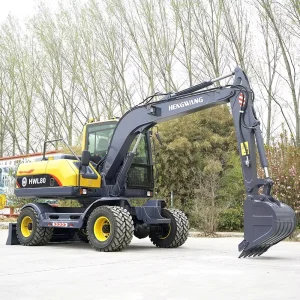
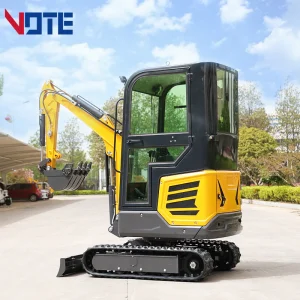
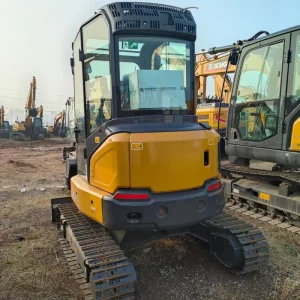
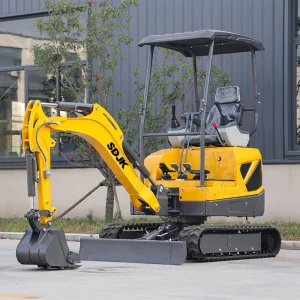
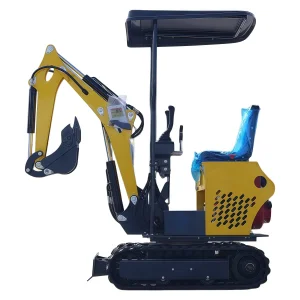
Explore our highly demanded range of compact excavators and tracked utility loaders engineered to tackle urban, agricultural, and industrial infrastructure tasks with unparalleled efficiency.
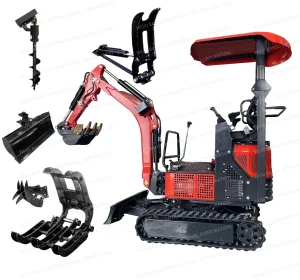
Analyzing the shift from single-use earthmovers to highly integrated hydraulic systems in modern engineering.
In the modern landscape of civil construction, municipal rehabilitation, and high-density agricultural management, the demand for equipment versatility has reached an unprecedented peak. Among the most innovative adaptations in the compact equipment sector is the integration of the Mini Excavator with Vibratory Plate. Historically, earthmoving and soil compaction were treated as separate operational phases requiring distinct machinery—an excavator to dig, and a walk-behind or ride-on roller to compact. Today, by pairing high-performance mini excavators with specialized auxiliary hydraulic vibratory plate attachments, global contractors can accomplish dual-phase operations with a single power unit, saving massive overhead on mobilization, labor, and fuel.
This comprehensive industry whitepaper explores the technological parameters, manufacturing processes, global supply chain advantages, and localized application ecosystems that define the market for mini excavators outfitted with compaction attachments. With Shandong BTEra Excavator Co., Ltd. standing at the vanguard of this engineering evolution, this document serves as a guide for international procurement departments seeking reliable OEM/ODM solutions from China.
Evolving from a premium components supplier to a global powerhouse in comprehensive construction machinery manufacturing.
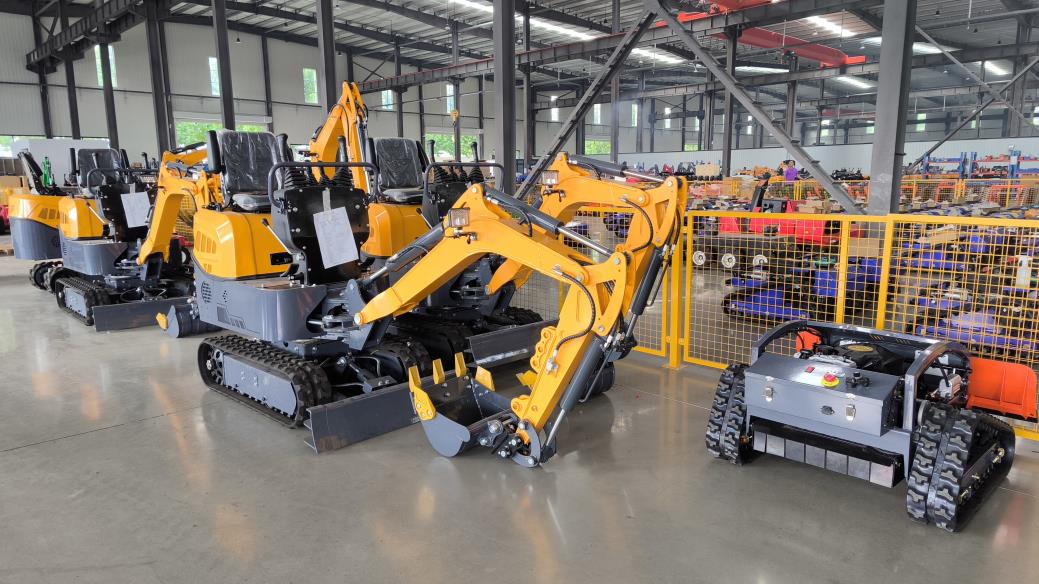
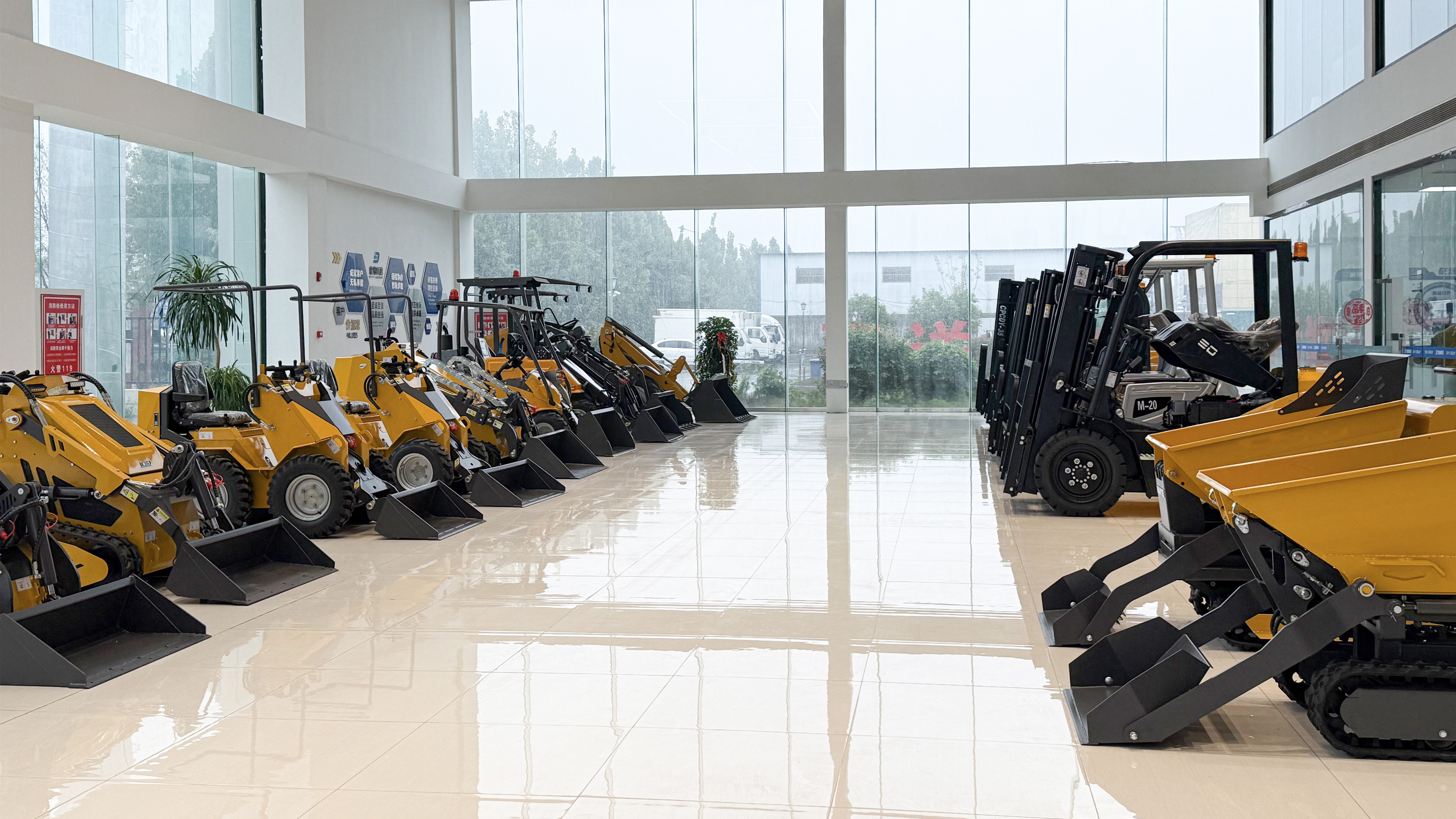
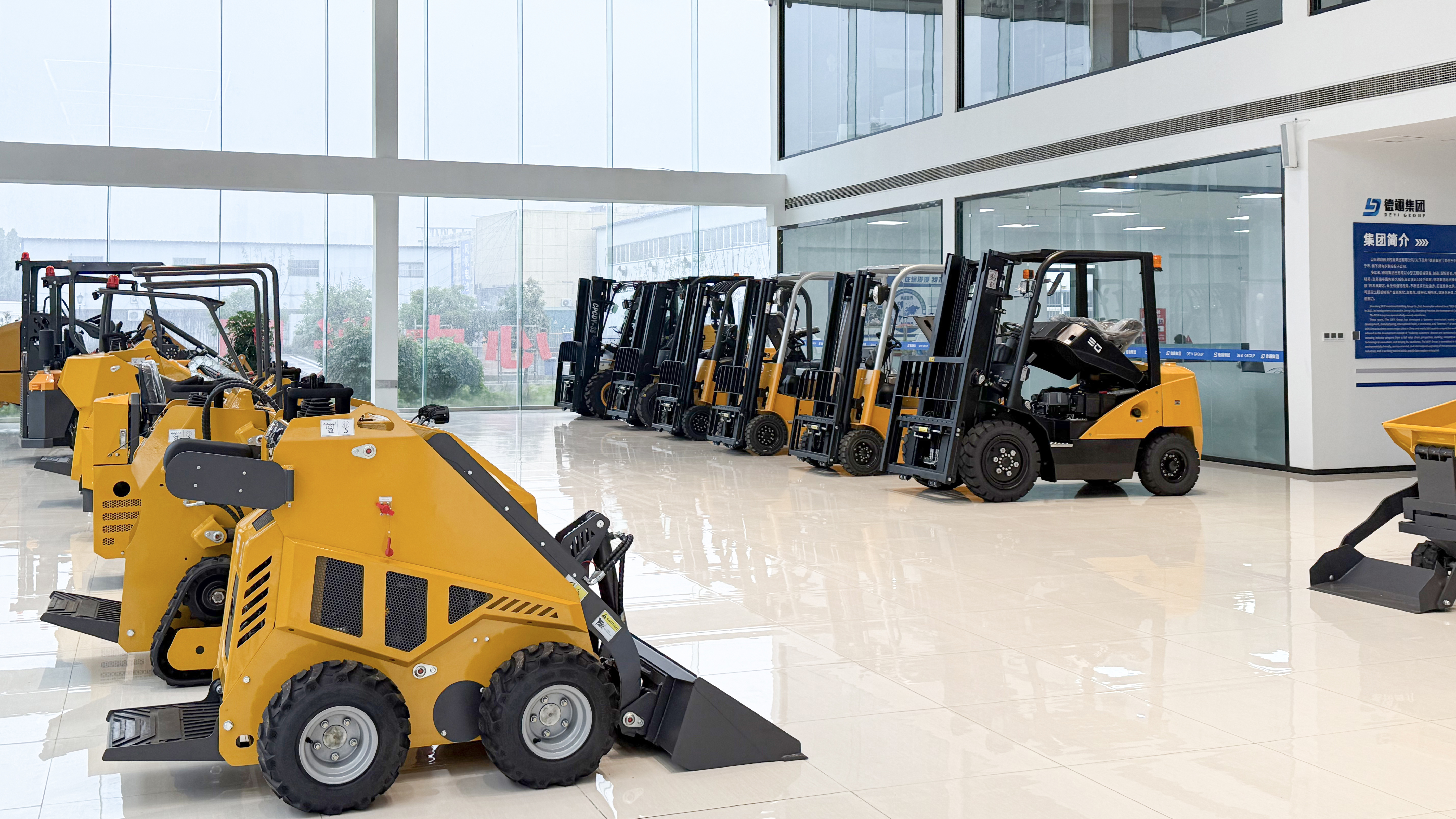
Shandong BTEra Excavator Co., Ltd. was established on the foundation of years of experience in the construction machinery industry, evolving from a specialized parts manufacturer into a comprehensive enterprise integrating research, development, production, and sales. With over two decades of industry expertise, BTEra has developed strong capabilities in manufacturing a full range of construction equipment, including hydraulic excavators, loaders, forklifts, and concrete machinery.
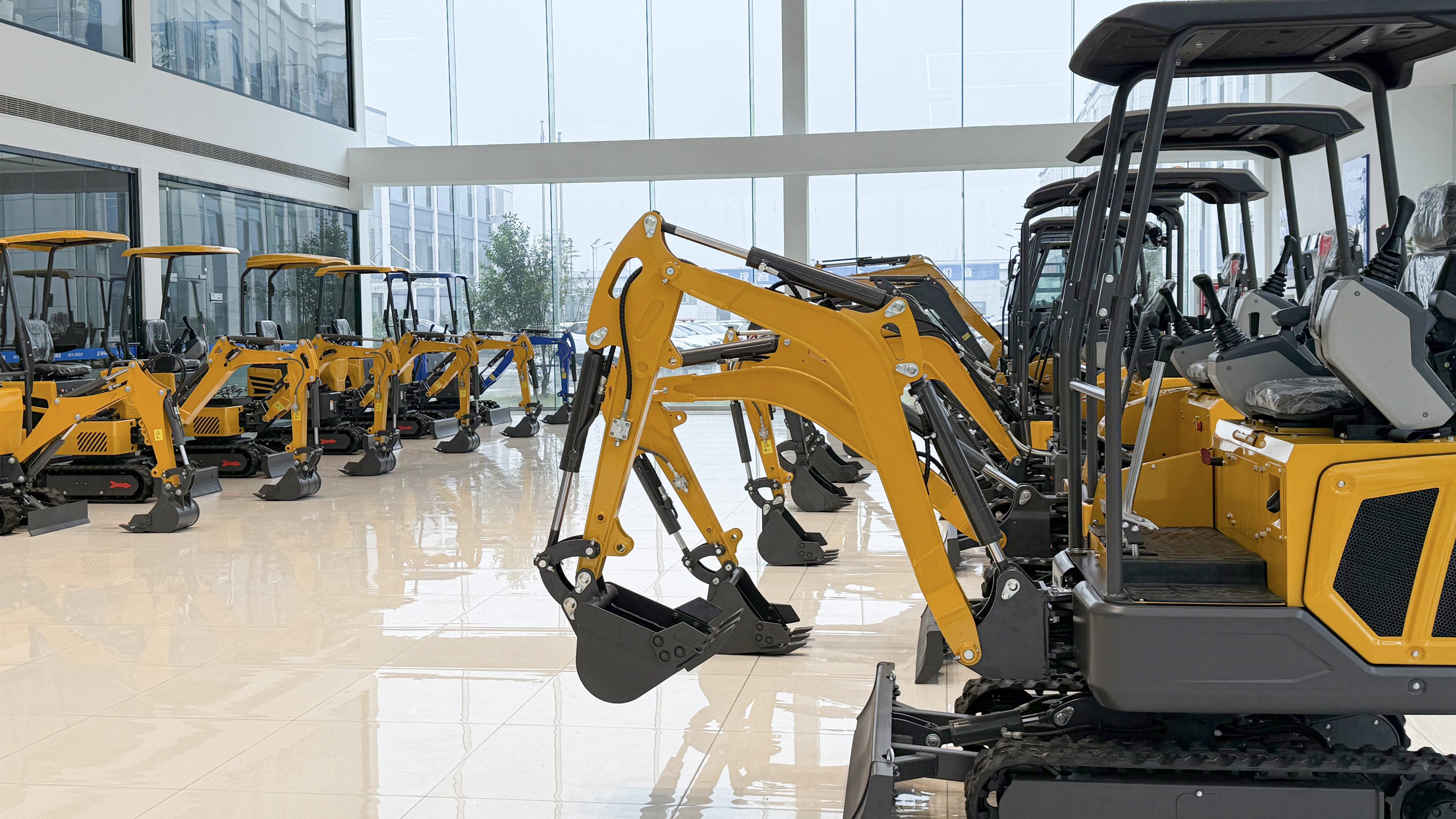
BTEra focuses primarily on excavating machinery, offering a wide product lineup that includes mini excavators, as well as medium and large excavators ranging from 800 kg to 55 tons. In addition, the company provides wheeled excavators with operating weights from 3.5 tons to 18 tons, meeting diverse construction needs across urban, agricultural, and industrial applications. All BTEra products comply with international quality standards and are manufactured using advanced production technologies and strict quality control systems. The company is committed to becoming a globally trusted Chinese construction machinery brand, recognized by customers both domestically and internationally for reliability, performance, and value.
With competitive pricing, stable product quality, and continuous innovation, BTEra helps customers gain a strong advantage in their markets. We sincerely look forward to cooperating with partners worldwide to achieve mutual growth and build a successful future together. BTEra is ready to be your reliable and long-term supplier.
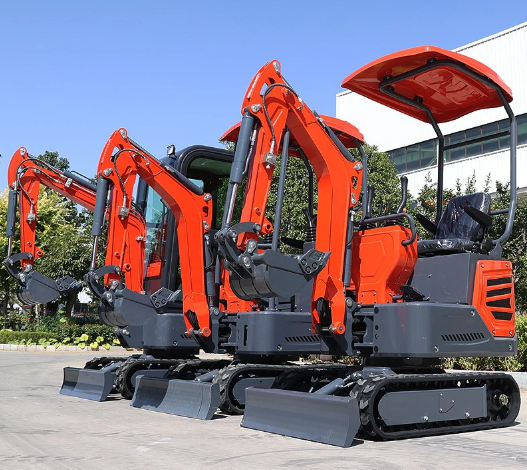
To ensure that every mini excavator fitted with a vibratory plate can withstand high continuous working pressures, BTEra implements a strict four-stage production validation system:
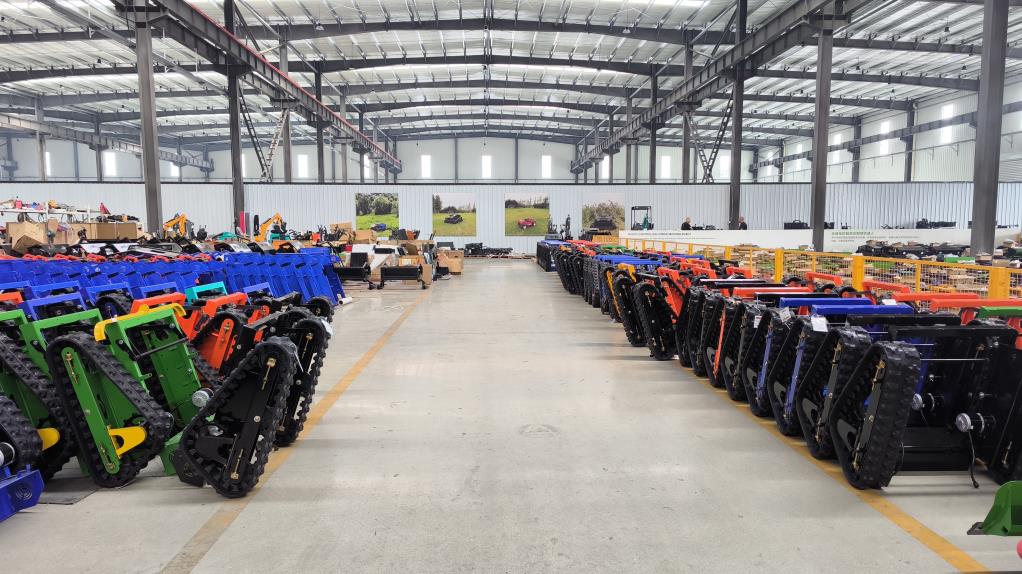
Heavy-duty Q355B structural steel sheets undergo laser-cutting and ultrasonic flaw detection before enter the welding line.
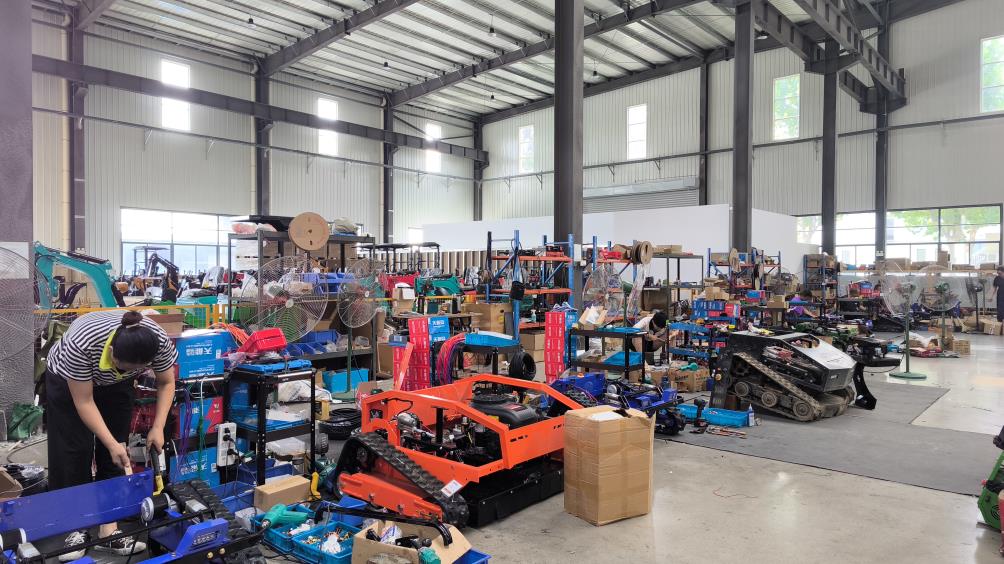
Robotic welding fixtures and high-tolerance machining centers guarantee exact geometry for hydraulic components and arm linkages.
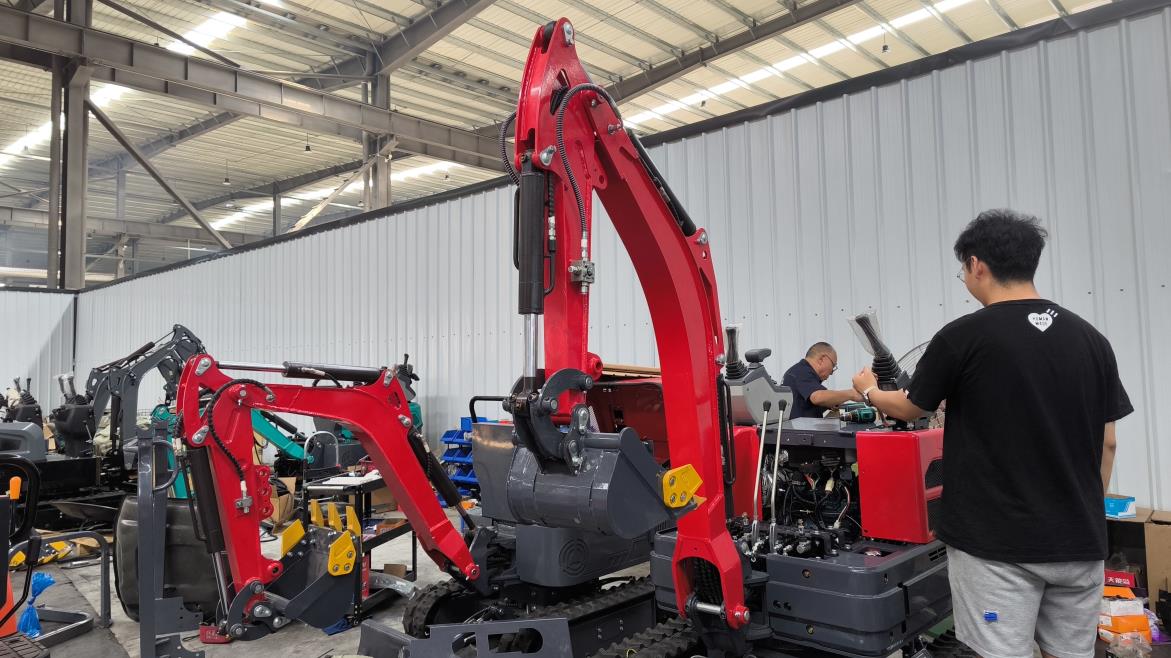
Continuous pressure testing of auxiliary hydraulic valves and system vibration frequency limits simulation under full load.
Final performance inspection including gradeability, hydraulic flow continuity, and strict emission compliance tests.
Deconstructing the macro-economic and engineering advantages that position Shandong BTEra as a premier exporter.
When procurement managers evaluate manufacturing hubs for mini excavators and dynamic vibratory plates, Shandong Province, China, invariably emerges as the primary choice. This is not simply due to competitive unit costs, but rather the result of a highly integrated industrial ecosystem designed around heavy-duty machinery. Below are the key pillars of this regional and factory-specific competitive advantage:
Shandong houses the world's most concentrated supplier network for hydraulic cylinders, control valves, swing motors, and diesel engines. This proximity minimizes raw component logistics costs, expedites R&D prototype cycles, and ensures the rapid sourcing of premium cast steel components.
With massive investments in modern production systems, BTEra utilizes automated welding lines and computer-guided laser fabrication. This ensures structural consistency across thousands of units, reducing the likelihood of field failures in high-vibration applications.
BTEra products are designed to meet stringent global certification mandates. Whether your project requires EPA-approved engines for North America or Euro Stage V-certified power units for EU nations, our platforms are engineered to conform to local environmental requirements seamlessly.
How hydraulic performance, eccentric force, and frequency synchronization determine compaction reliability.
Operating a vibratory plate compactor attachment via a mini excavator's auxiliary hydraulic circuit requires precise tuning of hydraulic flow and pressure. The excavator’s engine drives a hydraulic pump, which delivers pressurized oil through auxiliary lines to a high-speed hydraulic motor mounted directly on the vibratory plate. Inside the plate enclosure, this motor rotates an eccentric shaft (or dual-eccentric shafts), creating a centrifugal force that translates into high-frequency vertical impacts on the ground surface.
To prevent hydraulic system overheating and structural failure, several key factors must be synchronized:
From urban micro-trenches to agricultural water management, discover how these systems streamline real-world workflows.
In narrow city streets, traditional large rollers cannot access trenches dug for gas, water, or telecom cables. A mini excavator fitted with zero-tail swing design can navigate around buildings, dig the trench, lay the utility conduits, backfill the soil, and hook up the vibratory plate to compact the fill—minimizing street closure times and footprint.
Terraced farming and irrigation channel reinforcement require stable, compact soil to prevent erosion during heavy rainfall. By using a long-reach arm mini excavator with a tilting coupler and vibratory plate, operators can compact soils along angles and slopes that are inaccessible to standard compaction rollers.
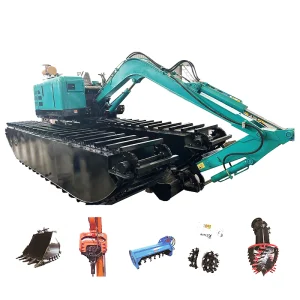
Standard crawler excavators risk sinking or causing excessive turf disruption in marshy wetlands or mud flats. Utilizing specialized amphibious mini excavators with hollow pontoon undercarriages enables contractors to complete embankment reinforcement and foundation compaction directly on waterlogged substrates.
Providing comprehensive transactional security and post-sale technical assurance to secure your capital investments.
Staying ahead of the technology curve: Electrification, IoT telemetry, and smart hydraulic systems.
As regulatory bodies globally enforce stricter environmental limits and construction companies prioritize on-site safety and efficiency, the compact machinery market is transforming. Over the next five years, the industry is projected to follow three major developmental trajectories:
Frequently asked questions concerning compatibility, operations, shipping, and maintenance.
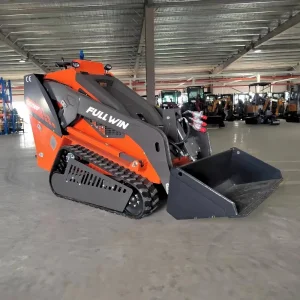
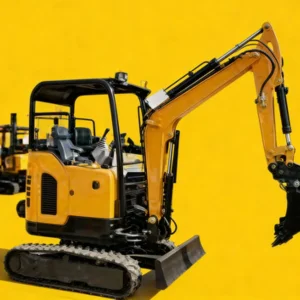
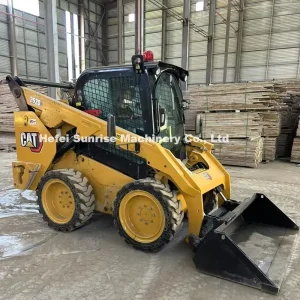
Discover more specialized excavation platforms, zero-tail swing compactors, and heavy-duty wheeled systems from our export selection.
 BTEra Excavator