Heavy-duty, saltwater-resistant marine construction machinery optimized for shallow lagoon dredging and coastal protection works across Tarawa and the Outer Islands.
Kiribati, an island nation composed of 33 low-lying atolls and reef islands scattered across the central Pacific Ocean, is at the absolute forefront of the global climate challenge. With elevations averaging less than two meters above sea level, the country faces critical challenges involving shoreline erosion, salt-water intrusion, and the continuous need for land reclamation and harbor maintenance. Traditional heavy construction machinery is heavily constrained by the soft coral sand, intertidal mudflats, and swampy mangrove marshes that define the landscape.
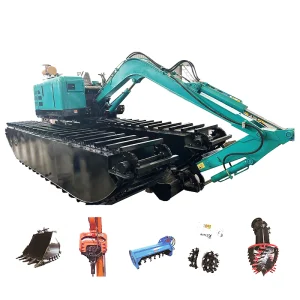
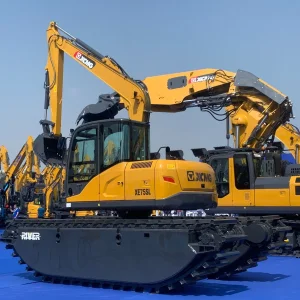
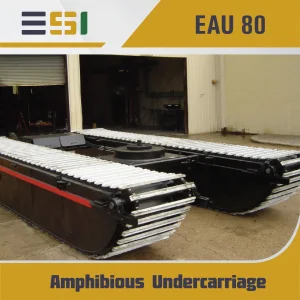
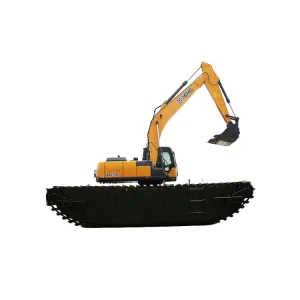
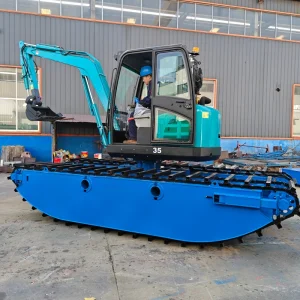
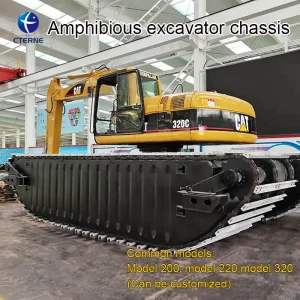
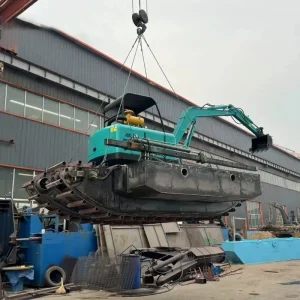
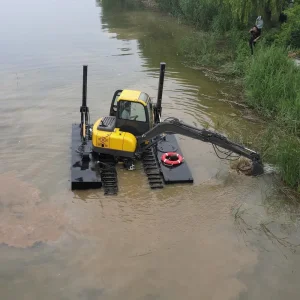
Standard crawler excavators immediately sink or become trapped in these tidal zones, leading to costly retrieval missions and ecological damage. This has created a critical demand for specialized Amphibious Small Excavators. These machines feature ultra-low ground pressure hollow steel pontoons and self-clearing track chains that enable safe operations directly on water surfaces, tidal mudflats, and saturated sands without destroying the fragile reef ecosystems.
From South Tarawa's urbanized lagoons to the remote shores of the Line Islands, our amphibious diggers solve complex hydrological engineering problems.
Used to place rock armor, sandbags, and concrete tetrapods along highly eroded shorelines in Betio and Bairiki. The amphibious undercarriage allows the operator to walk the machine directly into the surf zone during low to mid-tide, aligning heavy materials precisely along the coastal defense line.
Coral silt and sand constantly clog the shallow boat channels that connect atoll communities. Small amphibious excavators equipped with dredging pumps or widening buckets clear these arterial waterways, working safely in lagoons without risk of tipping over when the tide rises.
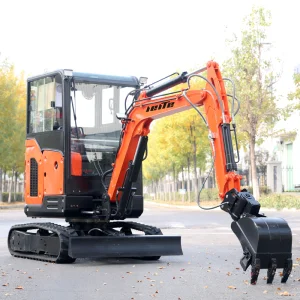
Babai is Kiribati's critical staple crop, grown in deep pits dug down to the freshwater lens. Excavating and maintaining these highly sensitive agricultural pits requires lightweight, small-footprint excavators that won't compact the soil or contaminate the delicate freshwater lens with hydraulic oil.
How our integrated design-to-assembly ecosystem in Shandong, China, delivers world-class heavy machinery tailored for remote Pacific Island deployments.
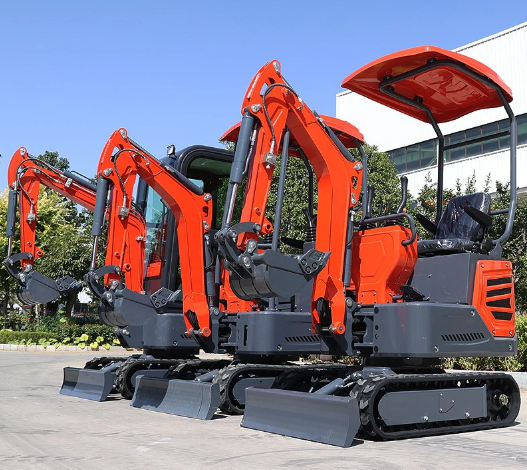
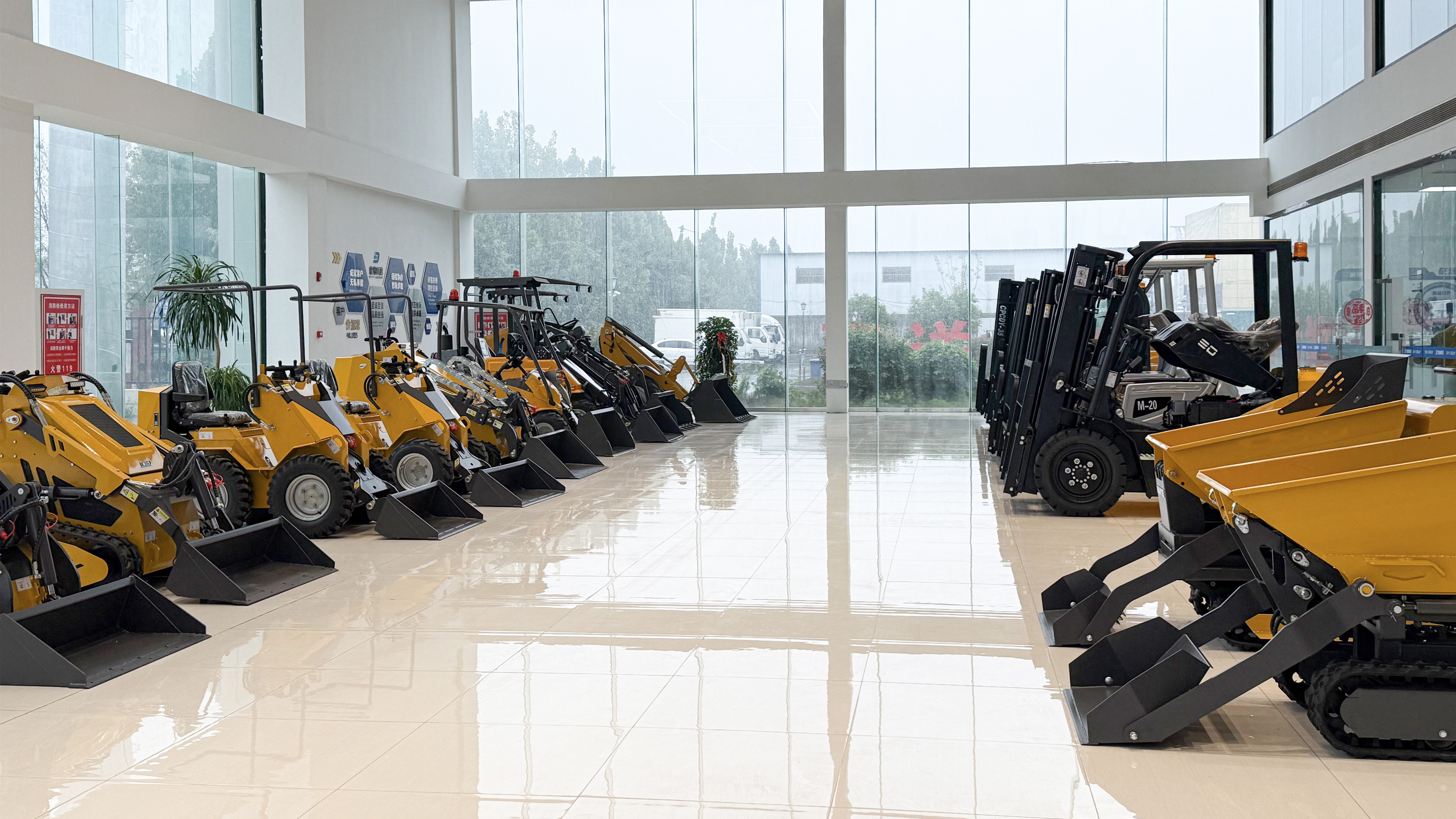
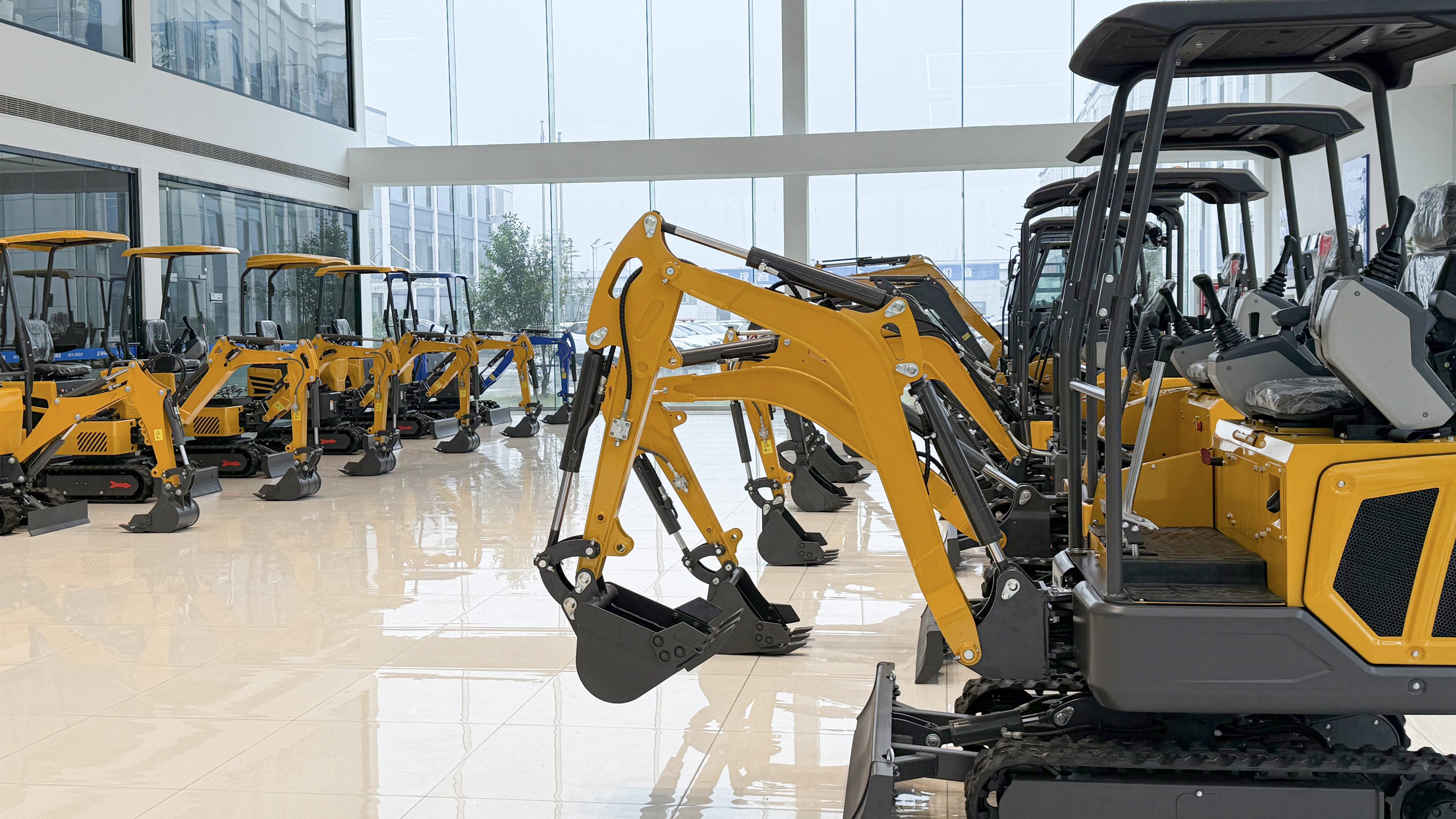
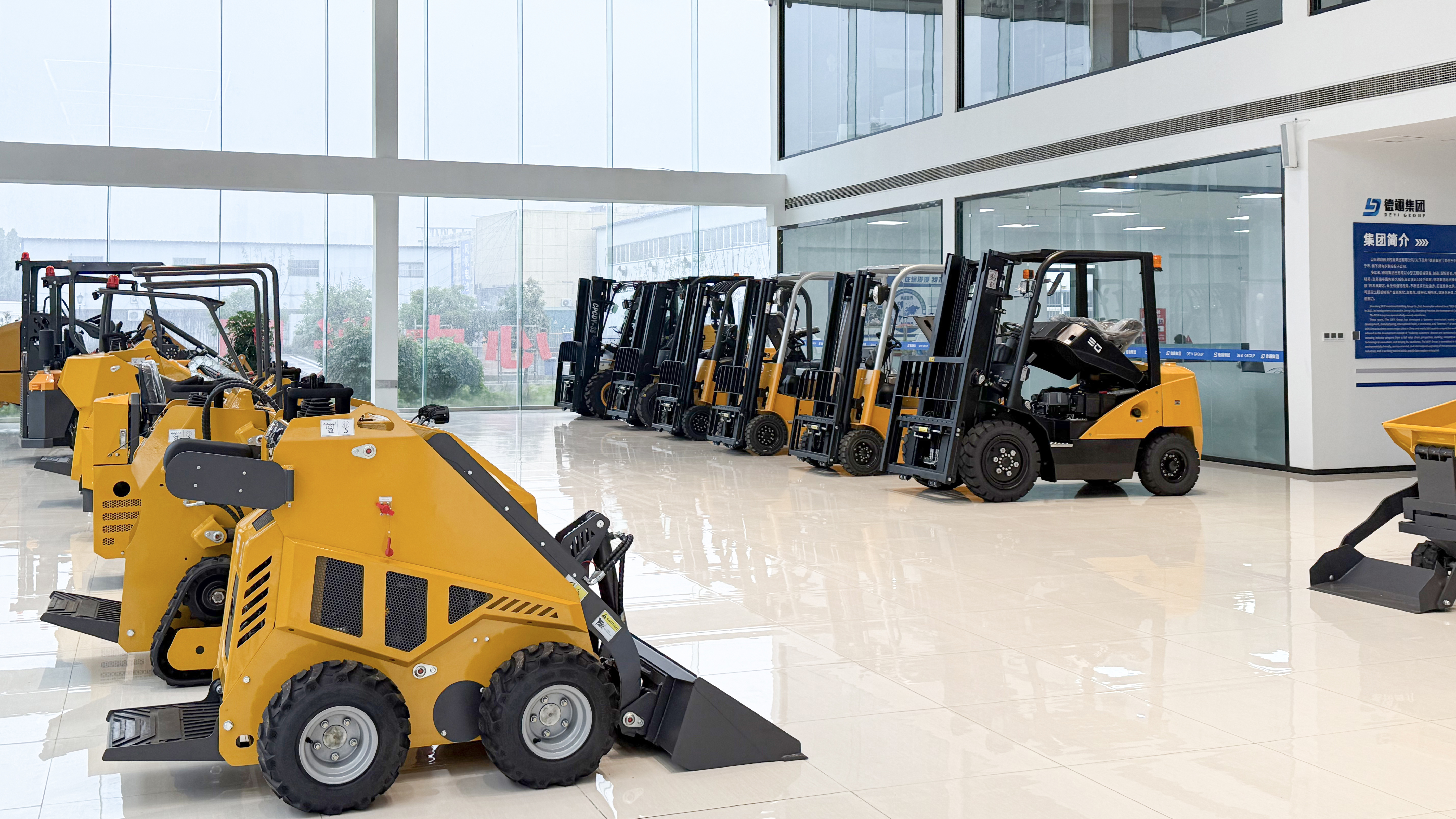
Shandong BTEra Excavator Co., Ltd. was established on the foundation of years of experience in the construction machinery industry, evolving from a specialized parts manufacturer into a comprehensive enterprise integrating research, development, production, and sales. With over two decades of industry expertise, BTEra has developed strong capabilities in manufacturing a full range of construction equipment, including hydraulic excavators, loaders, forklifts, and concrete machinery.
BTEra focuses primarily on excavating machinery, offering a wide product lineup that includes mini excavators, as well as medium and large excavators ranging from 800 kg to 55 tons. In addition, the company provides wheeled excavators with operating weights from 3.5 tons to 18 tons, meeting diverse construction needs across urban, agricultural, and industrial applications.
All BTEra products comply with international quality standards and are manufactured using advanced production technologies and strict quality control systems. By sourcing key components from global category leaders—such as Kubota/Yanmar engines, Kawasaki hydraulics, and Eaton travel motors—and matching them with high-yield Chinese structural steel fabrication, we offer an optimal balance of robust performance and long-term asset value.
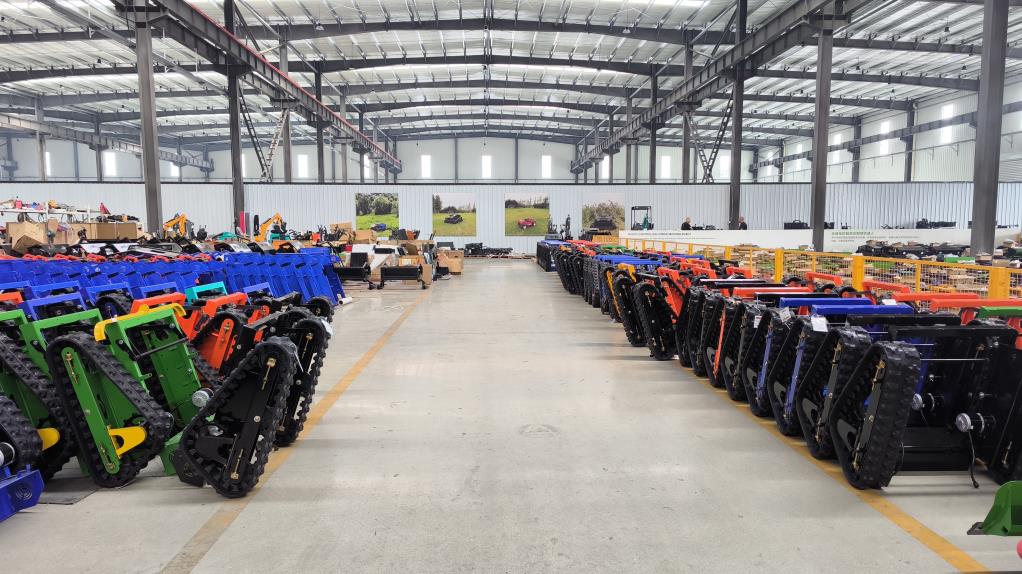
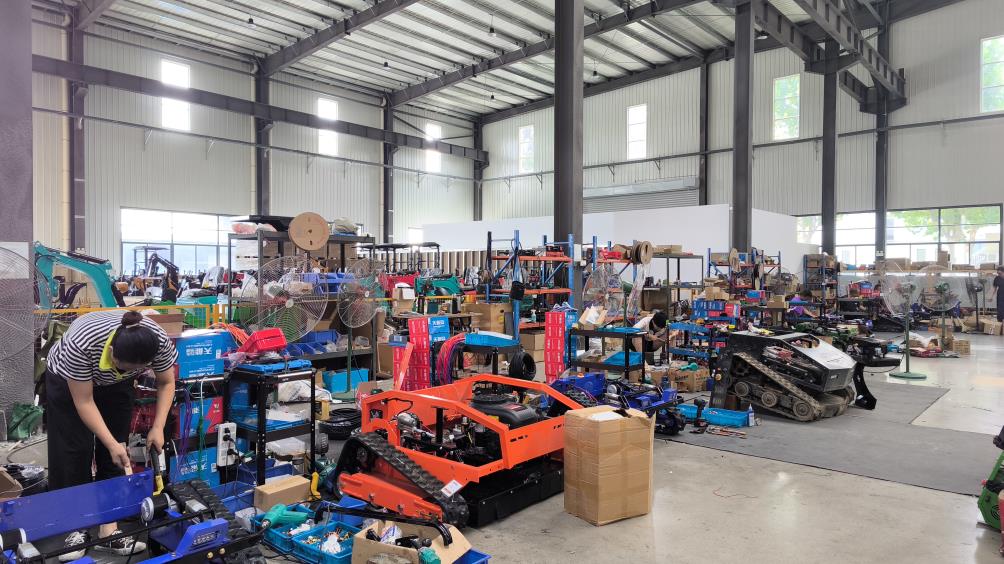
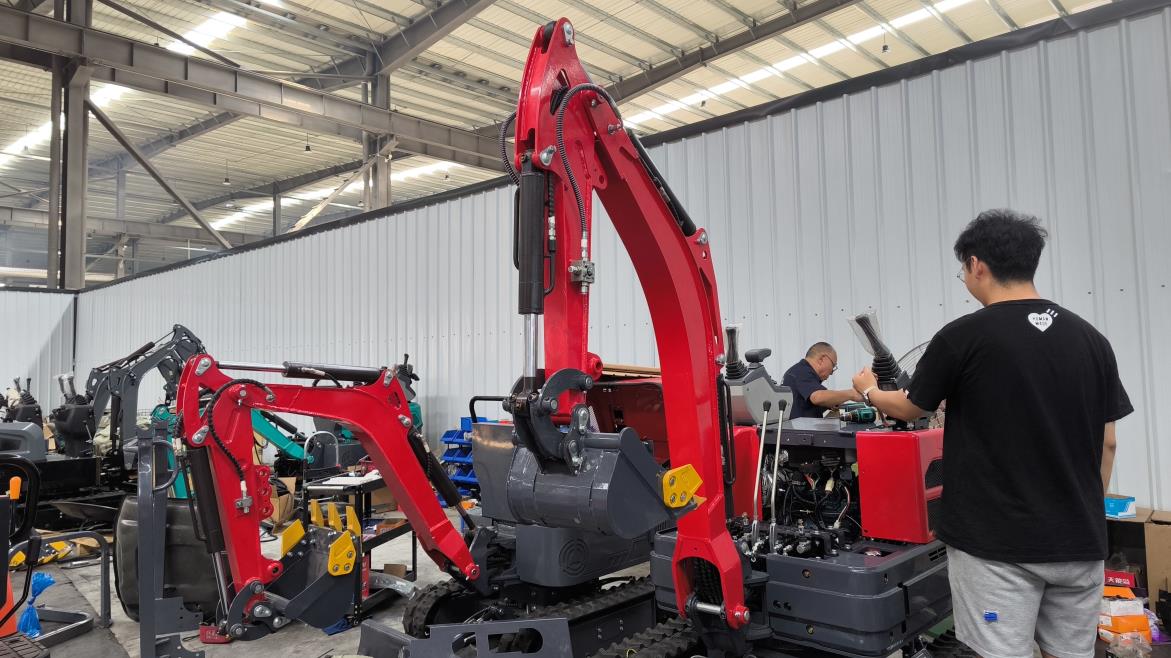
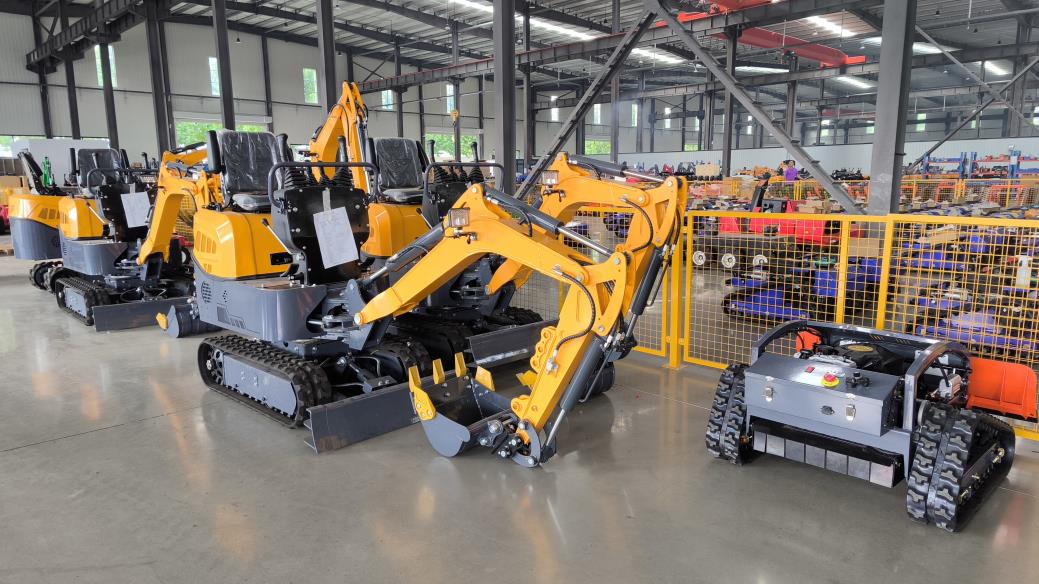
Managing logistics and after-sales support for remote oceanian markets requires rigorous planning and transparent execution models.
How BTEra is adapting its technical design for next-generation environmental demands and climate change mitigation projects.
Integration of marine-grade AH36 steel plates, hot-dip galvanized drive chains, and sacrificial zinc anodes onto all pontoon structures to survive the highly corrosive Pacific Ocean waters.
To protect Kiribati's fragile coral reef ecosystems and fish stocks, BTEra offers optional synthetic ester-based biodegradable hydraulic oil systems that prevent environmental damage in case of hose failure.
Addressing fuel logistics issues in the outer islands, we are designing small amphibious hybrid engines that utilize solar-assisted battery banks to power auxiliary hydraulic systems, decreasing dependence on diesel imports.
Detailed professional answers to assist procurement officers and engineering firms working in the Kiribati market.
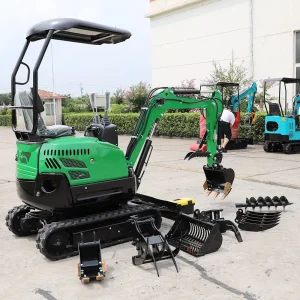
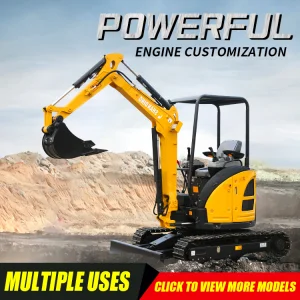
Explore our full line of engineering machinery, designed for heavy marine environments and customizable for low-bearing-capacity soils.
 BTEra Excavator